

SPARX (Safe Powerline Access & Remote eXchange) is not a robotics story. It is a structured response to a highly specific operational problem in critical infrastructure. At its core, SPARX addresses a task transmission system operators know very well: replacing bundle spacers on high-voltage overhead lines. Today, this requires helicopters, lifting platforms or cable carts — proven methods, but costly, resource-intensive and increasingly difficult to scale as grids expand.
The question was not whether improvement was possible.The question was how to develop a fundamentally new technical solution without launching a multi-year internal development program. That’s why SPARX is what Open Innovation was made for!
Amprion’s SPARX Challenge

A Concrete Need — Not an Innovation Theme
Amprion defined a clear operational demand:
Enable a faster, more ecological, and more cost-effective replacement of bundle spacers — ideally under live-line conditions.
This was not a vague “innovation topic.” It was a defined technical bottleneck with cross-border economic relevance and implementation intent.
That distinction matters. Open innovation only works when the need is real, specific and backed by operational ownership.
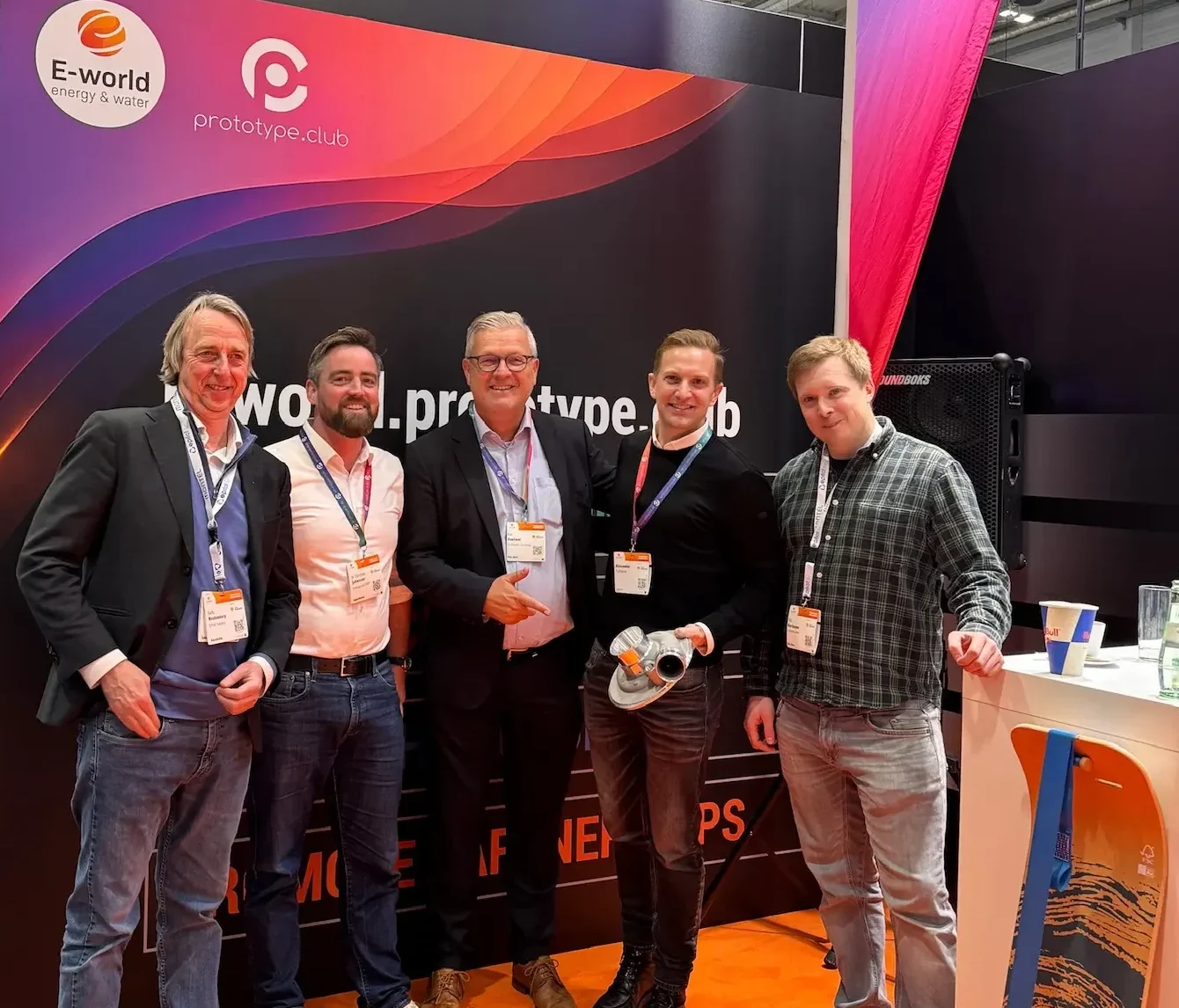
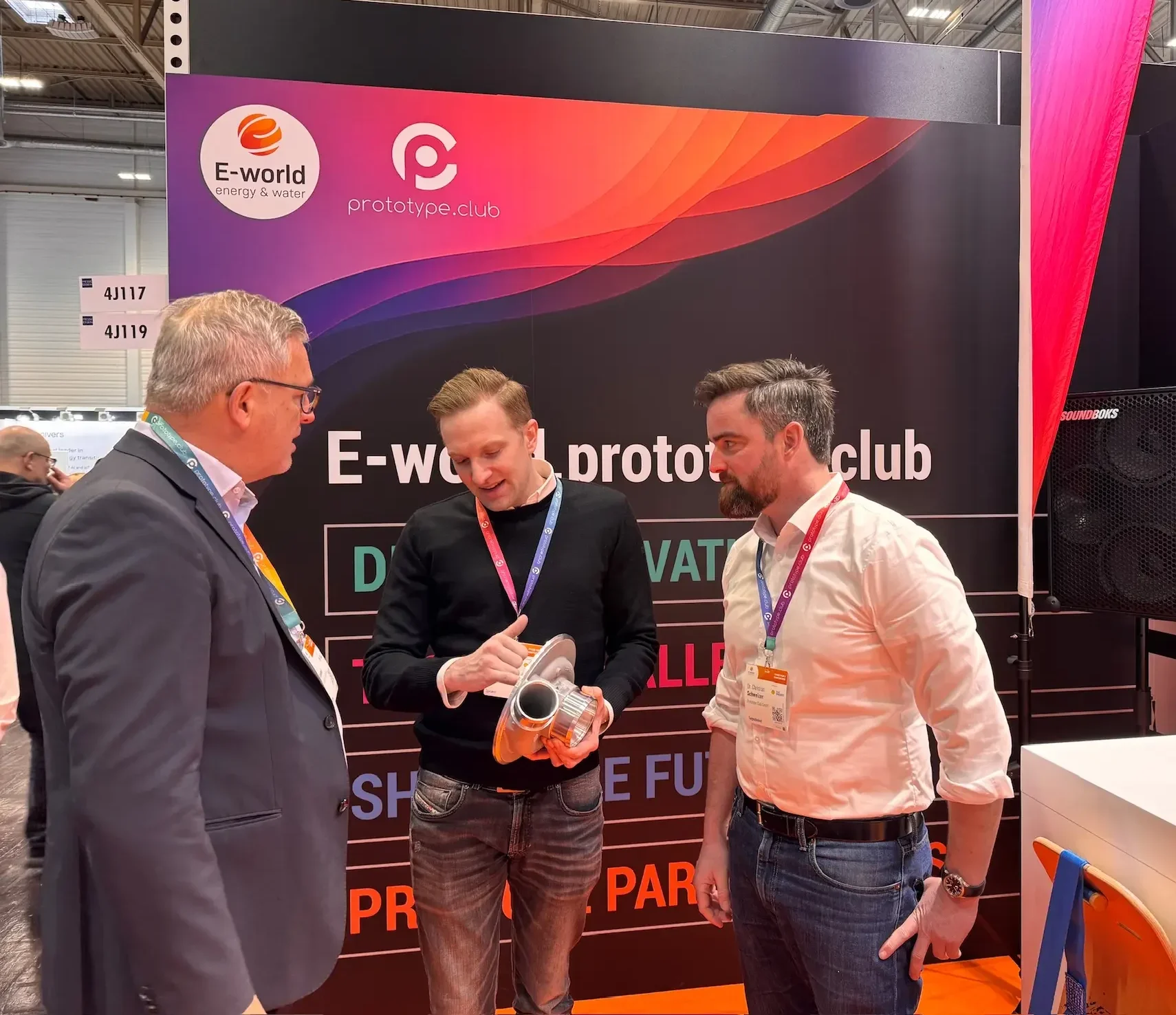
Translating Need into Structure
prototype.club translated this demand into the SPARX challenge, working closely with the experts from Amprion.
This included:
-
A clear technical scope
-
Defined evaluation criteria
-
Industrial feasibility requirements in a highly regulated environment
-
A realistic implementation pathway
Rather than collecting ideas, the process focused on identifying deep-tech companies capable of building deployable solutions that do not follow old approaches, but open up new doors.
The structured selection process allowed Amprion to evaluate approaches not just on creativity, but on engineering credibility and scalability- thanks to prototype.club’s partnerships.
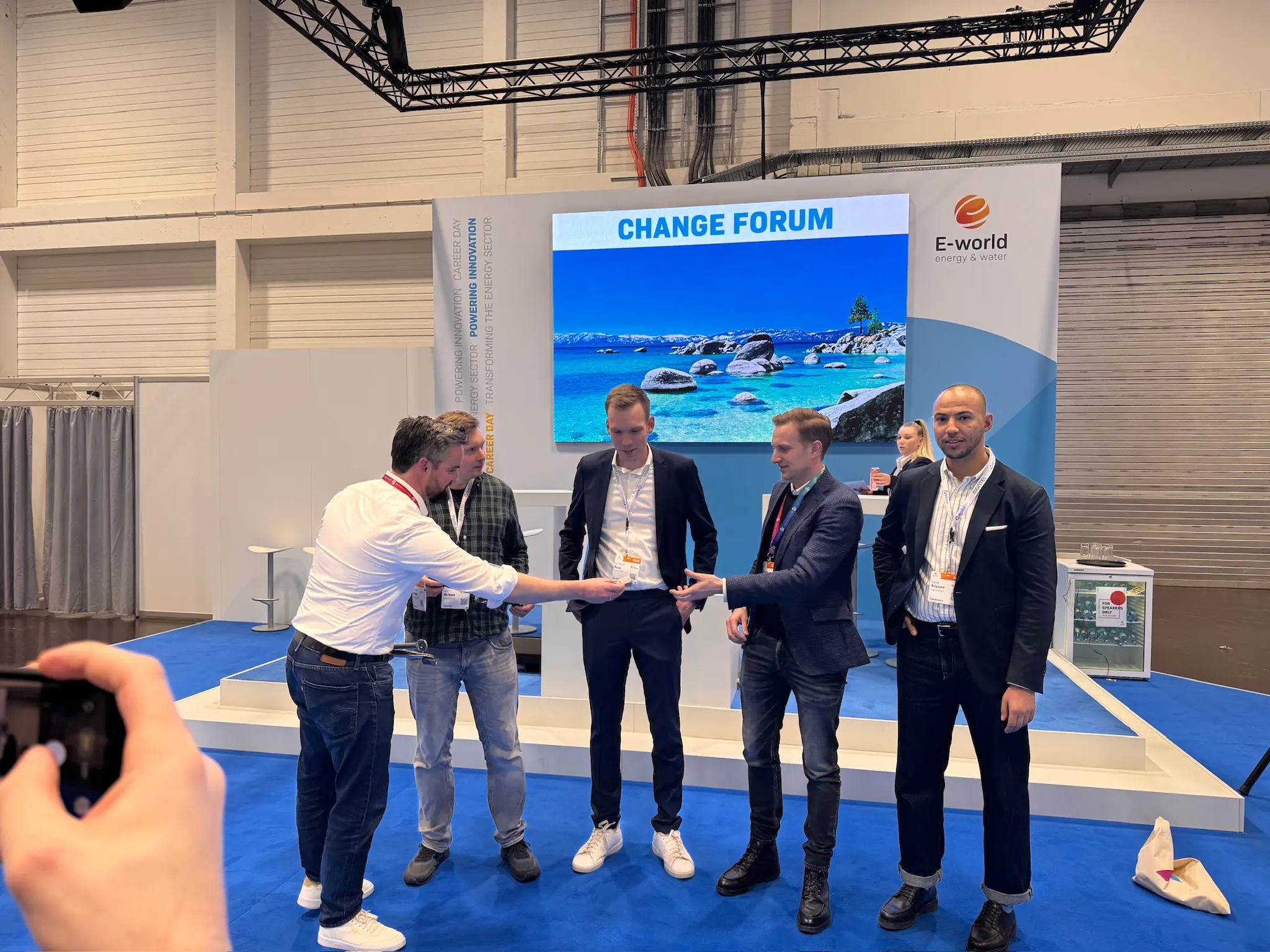
What prototype.club Actually Does
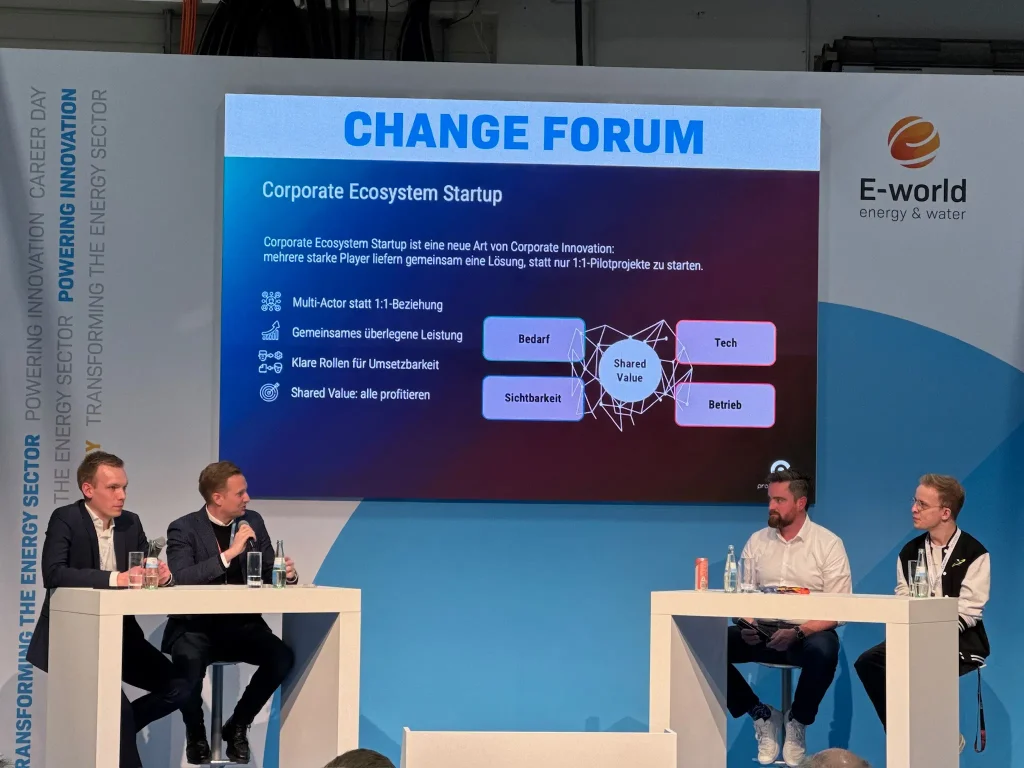
SPARX is not a robotics project, it is an example of our structured mechanism:
-
A company defines a concrete operational need.
-
We translate it into a focused, implementation-oriented challenge.
-
We identify and select capable deep-tech players.
-
Industrial partners are integrated early to ensure scalability.
- Decisions on future collaboration are made based on demonstrated skills not pitch decks
The result is not idea generation. It is accelerated solution development with industrial backing.
Most organizations carry operational bottlenecks that:
-
Require specialized technical solutions
-
Are too small for strategic transformation programs
-
Too complex for quick internal fixes
-
But expensive enough to matter
These problems rarely reach the board. But they consume millions in effort over time.
SPARX was exactly such a case and prototype.club the ideal approach:
This is not consulting.This is not idea crowdsourcing. This is not replacing internal R&D. This is not a marketing innovation show.This is Open Innovation solving your real needs as an additional tool in your toolbox.
From Challenge to Technology
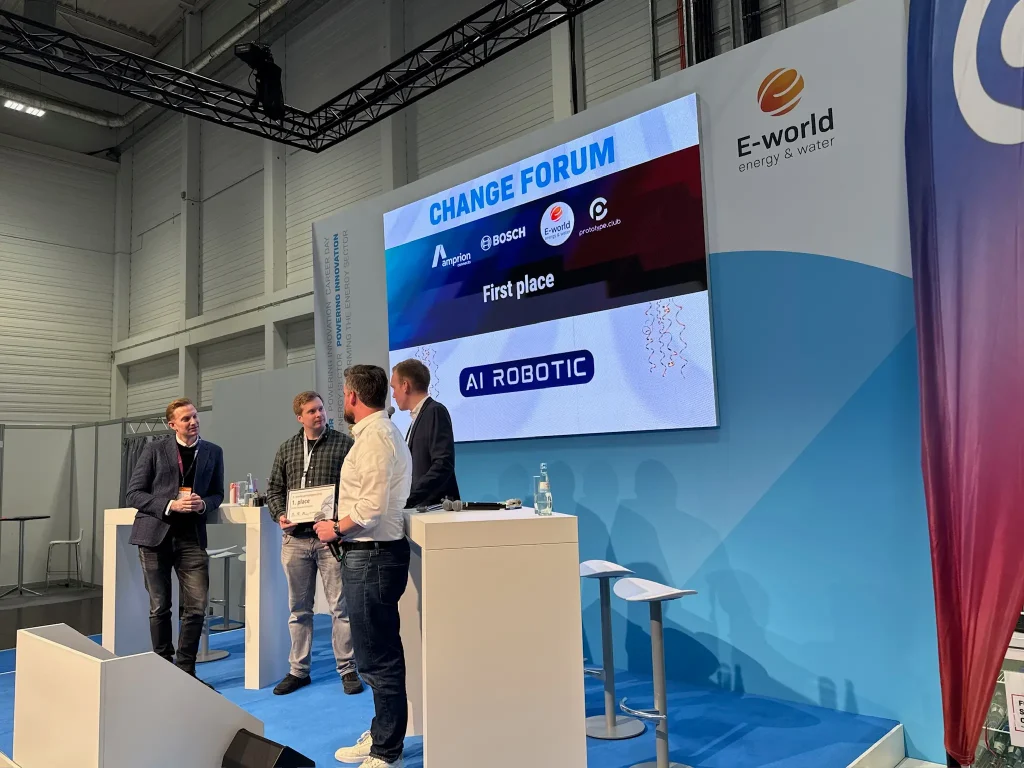
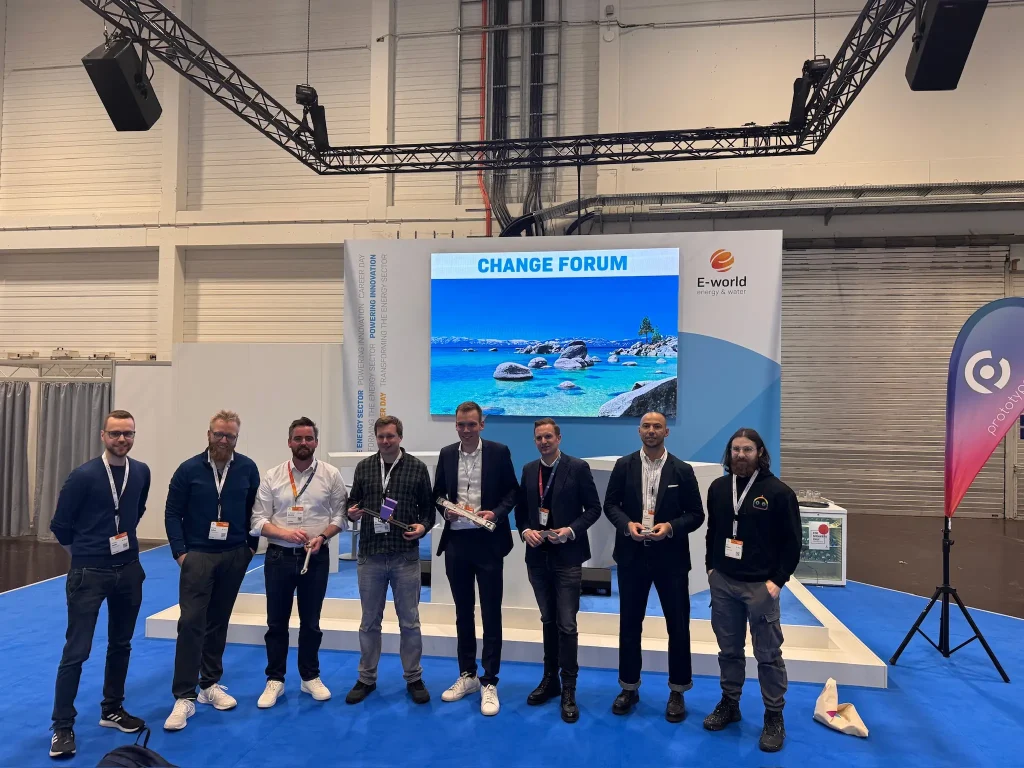
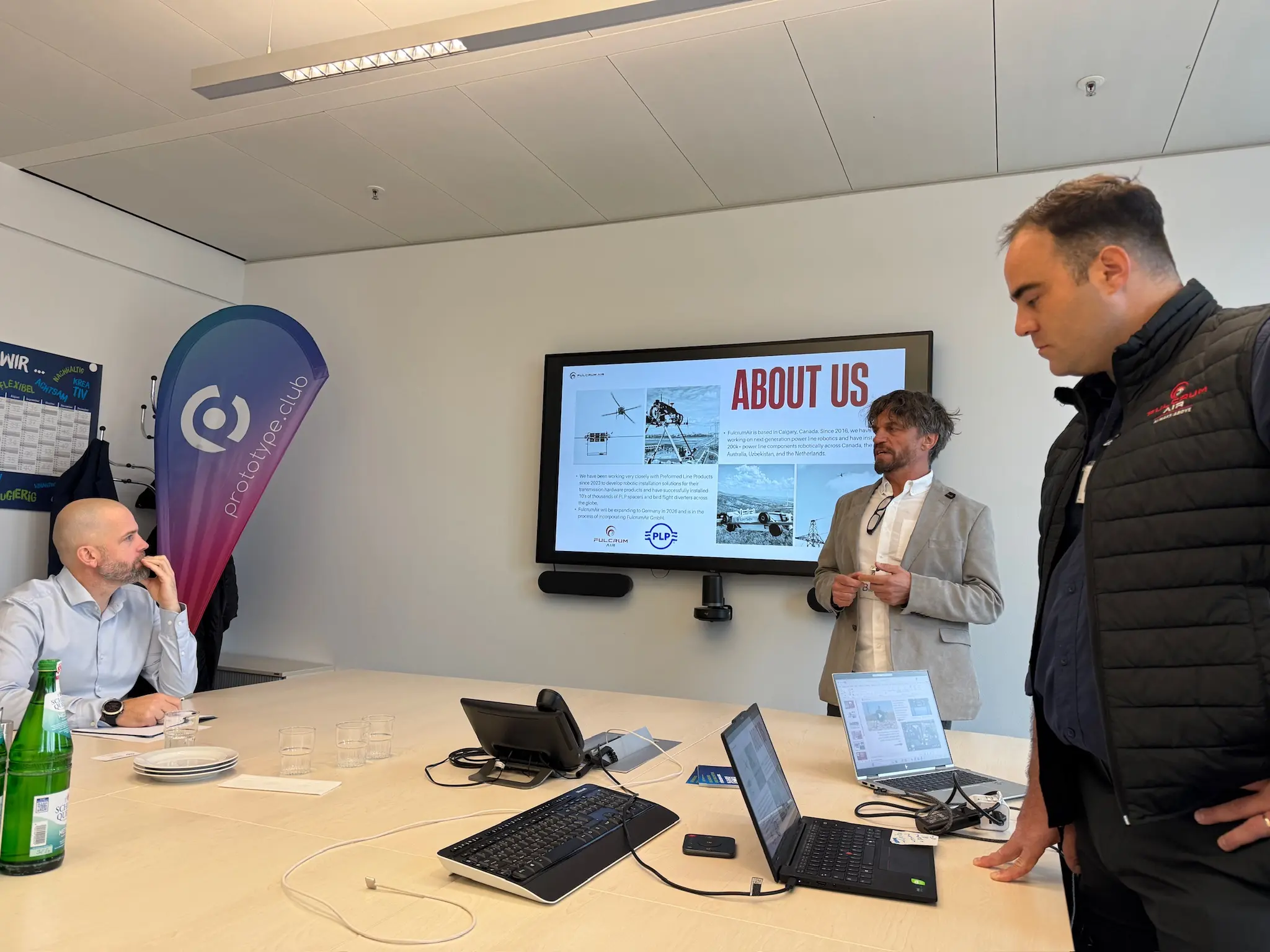
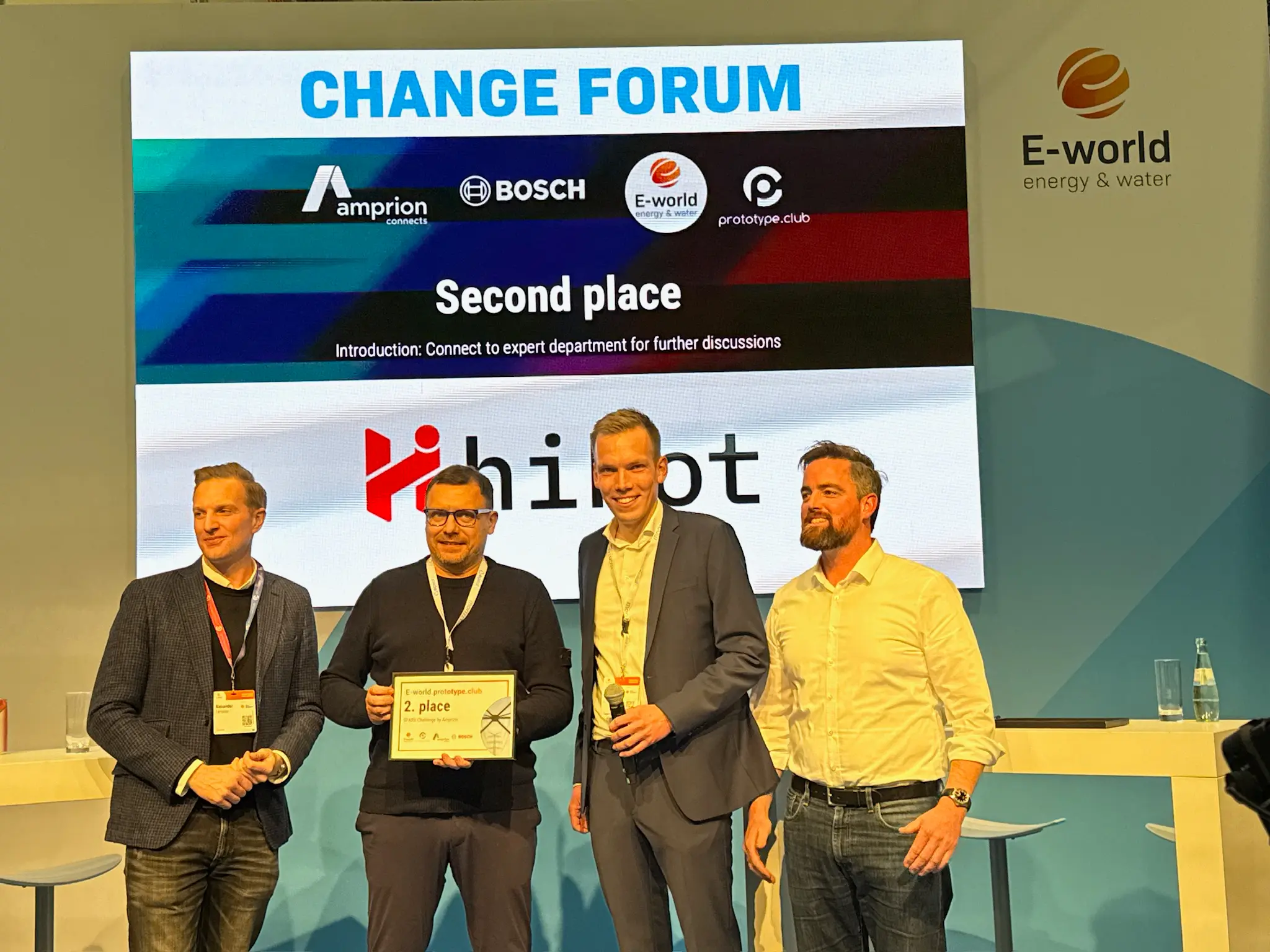
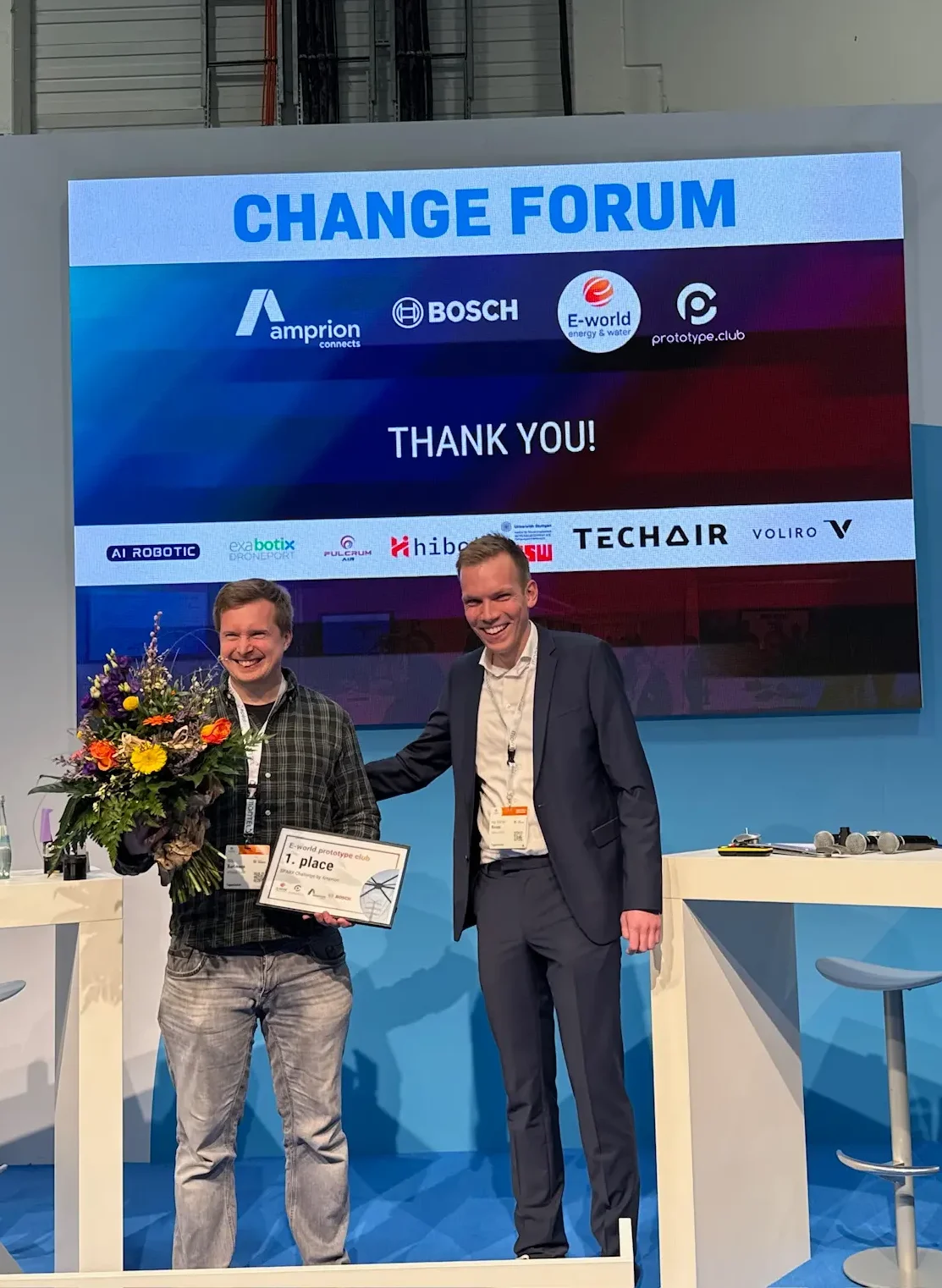
AI Robotics emerged as the winning team.
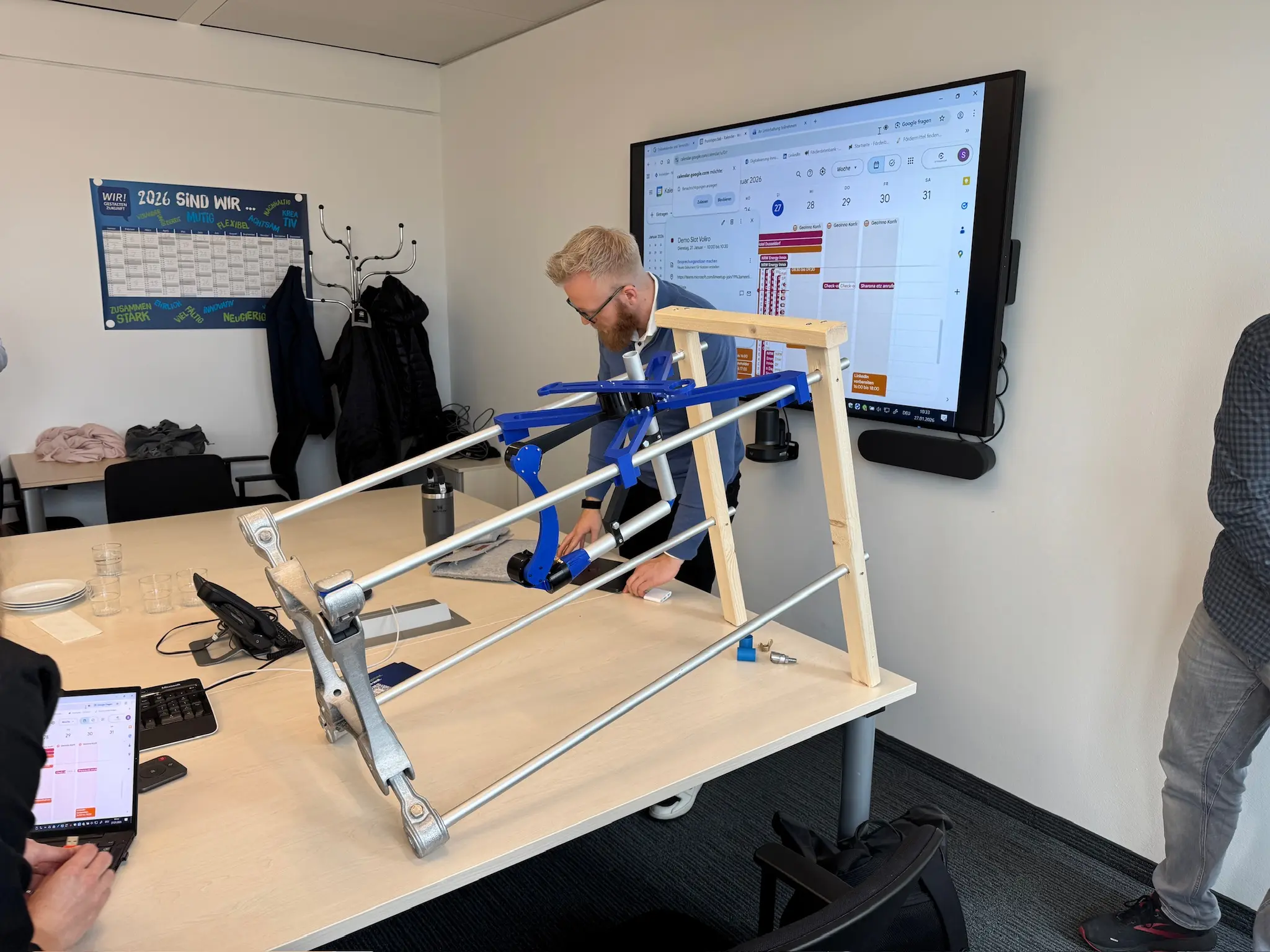
Their approach focused on a robotic system capable of automating the replacement process while meeting safety and scalability requirements.
Bosch joined as industrialization partner, contributing manufacturing expertise and 3D metal printing capabilities. This shifted the discussion from concept validation to production feasibility.
The result was not a pitch deck. It was a concrete technological pathway.
Why SPARX Matters Beyond Robotics
SPARX illustrates a broader pattern: Large organizations are full of highly specific operational problems.
These “oddly specific” bottlenecks often sit in maintenance, logistics, production or infrastructure. They consume resources quietly — without ever becoming strategic headline topics.
Yet solving them can unlock disproportionate operational value.
What This Shows About Open Innovation
SPARX illustrates a broader pattern: Large organizations are full of highly specific operational problems, where Open Innovation becoms structurally powerful.
-
When the demand signal is clear
-
When evaluation is rigorous
-
When implementation is intended from day one
-
When industrial partners are integrated early
These “oddly specific” bottlenecks often sit in maintenance, logistics, production or infrastructure. They consume resources quietly — without ever becoming strategic headline topics.
Yet solving them can unlock disproportionate operational value. It is about accelerating solution development for well-defined, high-impact problems. The model reduces risk, shortens timelines and connects operational demand directly with technological capability.
A Pattern That Can Be Replicated
Every corporate organization has its own “bundle spacer problem.”
- A maintenance bottleneck.
- A production constraint.
- A safety-critical manual task.
- A legacy process that scales poorly.
The question is not whether solutions exist.The question is whether there is a structured mechanism to find, validate and industrialize them.
prototype.club supports these bottle necks in a unique way, by leveraging ecosystems and focusing on skills excellence. If you can think of your own „bundle spacer problem“, feel free to reach out to see how we can support your solution journey.
Impressions
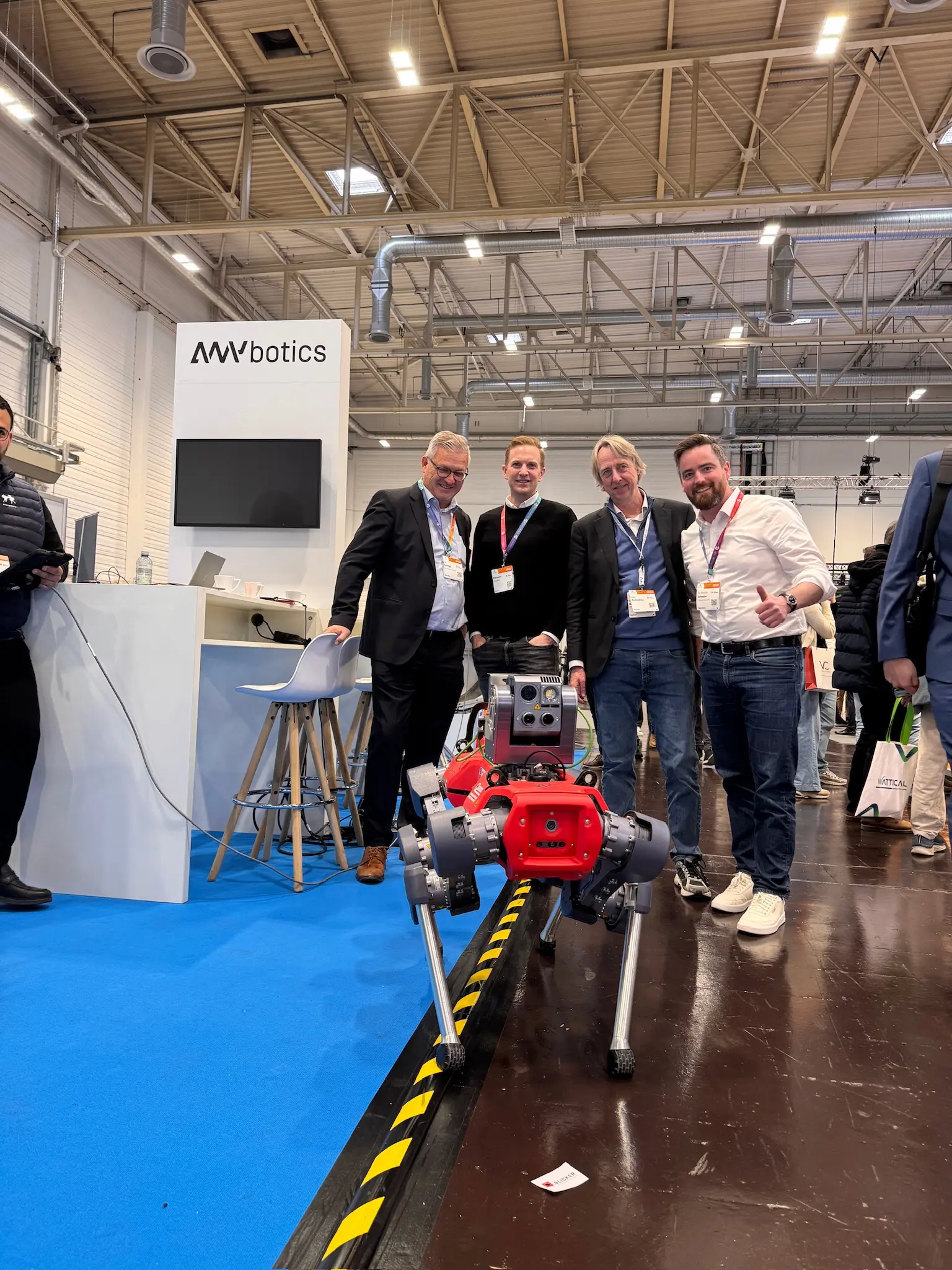
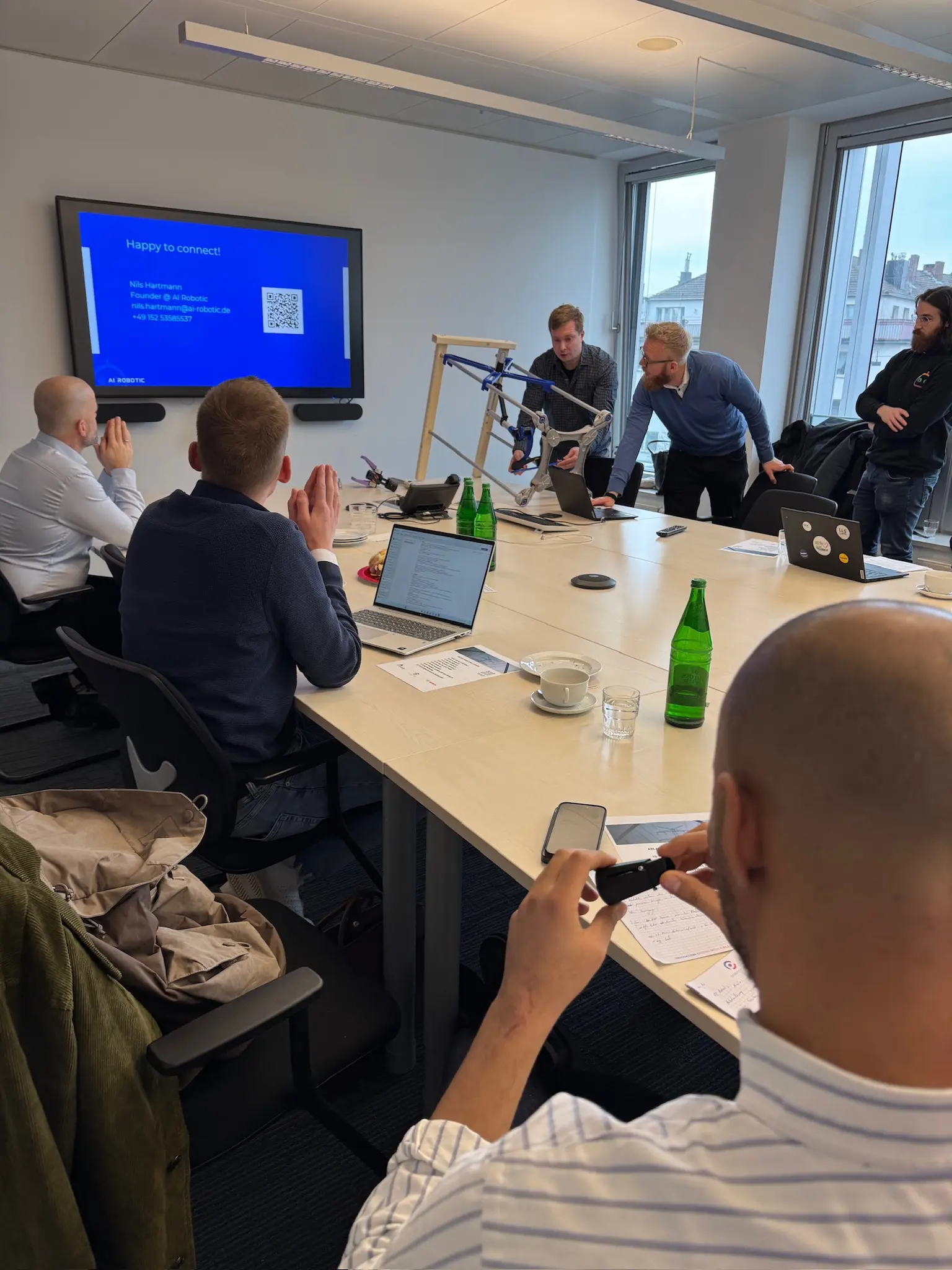
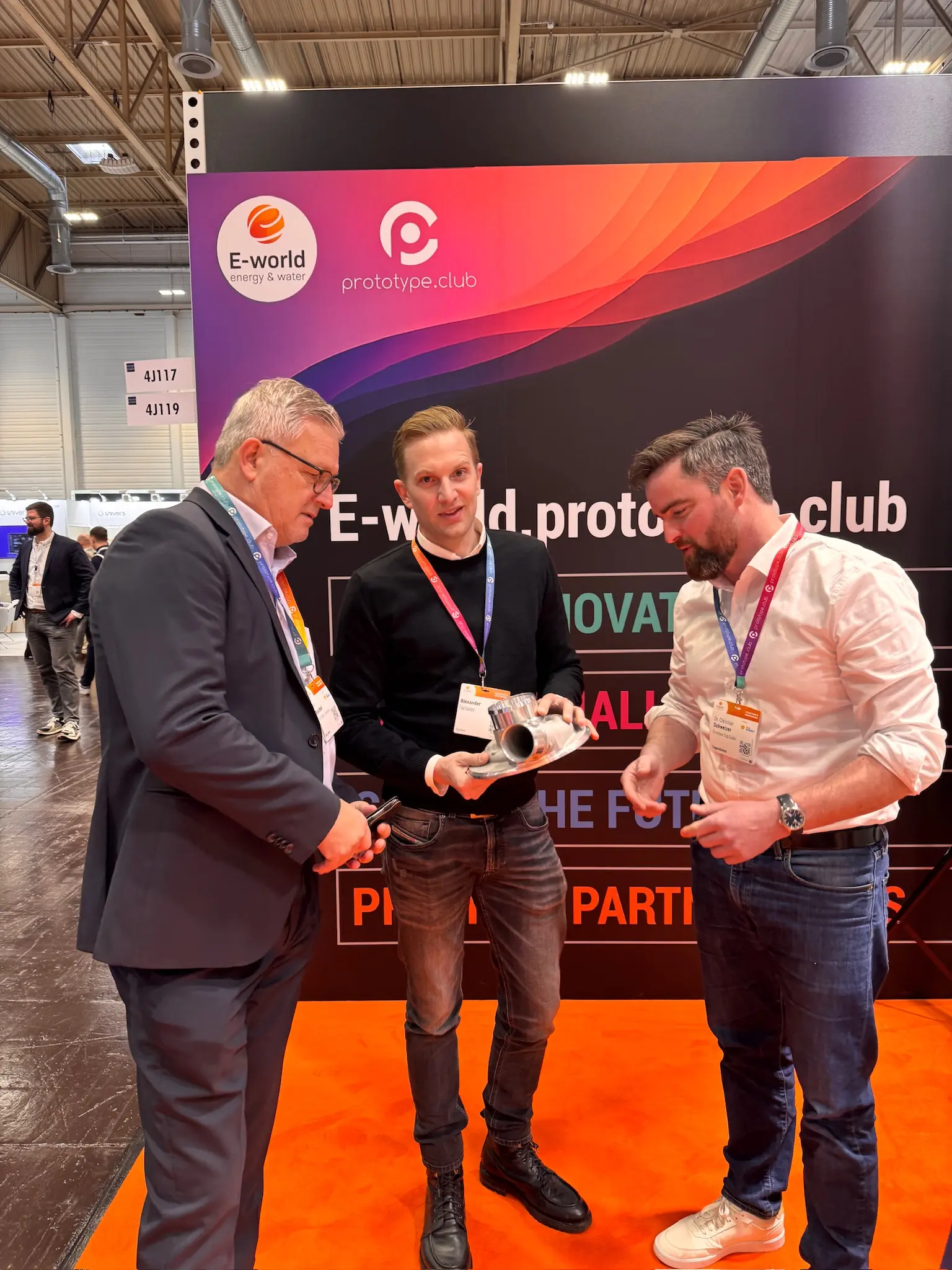
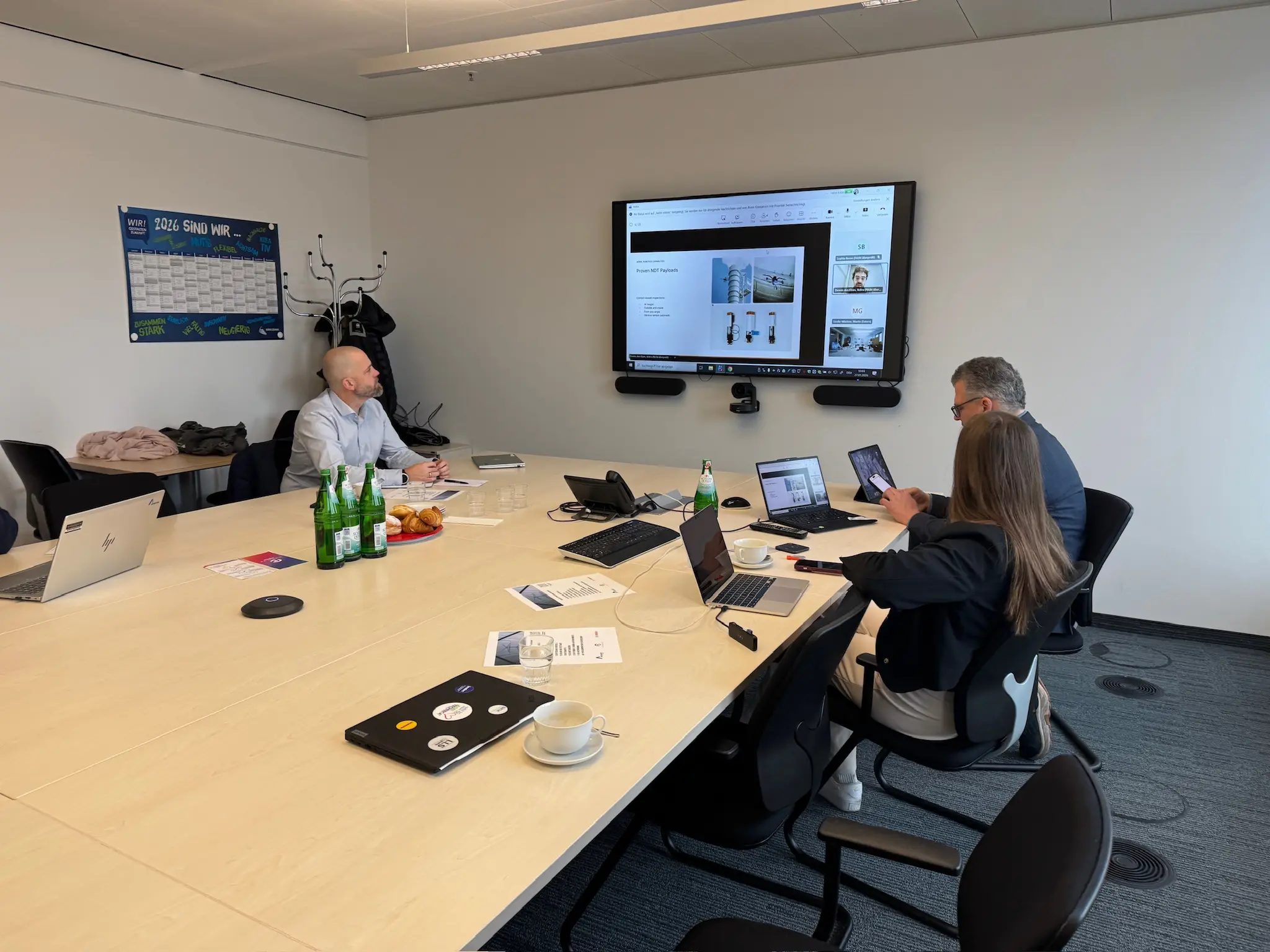

You might also be interested in
This was NRW Energy Innovation Day 2026
Discover the highlights of the first NRW Energy Innovation Day – A day full of collaboration, ideas, and new connections.

SPARX of Innovation: Powering the Energy Transition
SPARX of Innovation: Powering the Energy Transition
This was E-world.prototype.club 2025
Great partnerships, inspiring talks, and innovation in action with speed dating, APCOA demos, and a panel!