

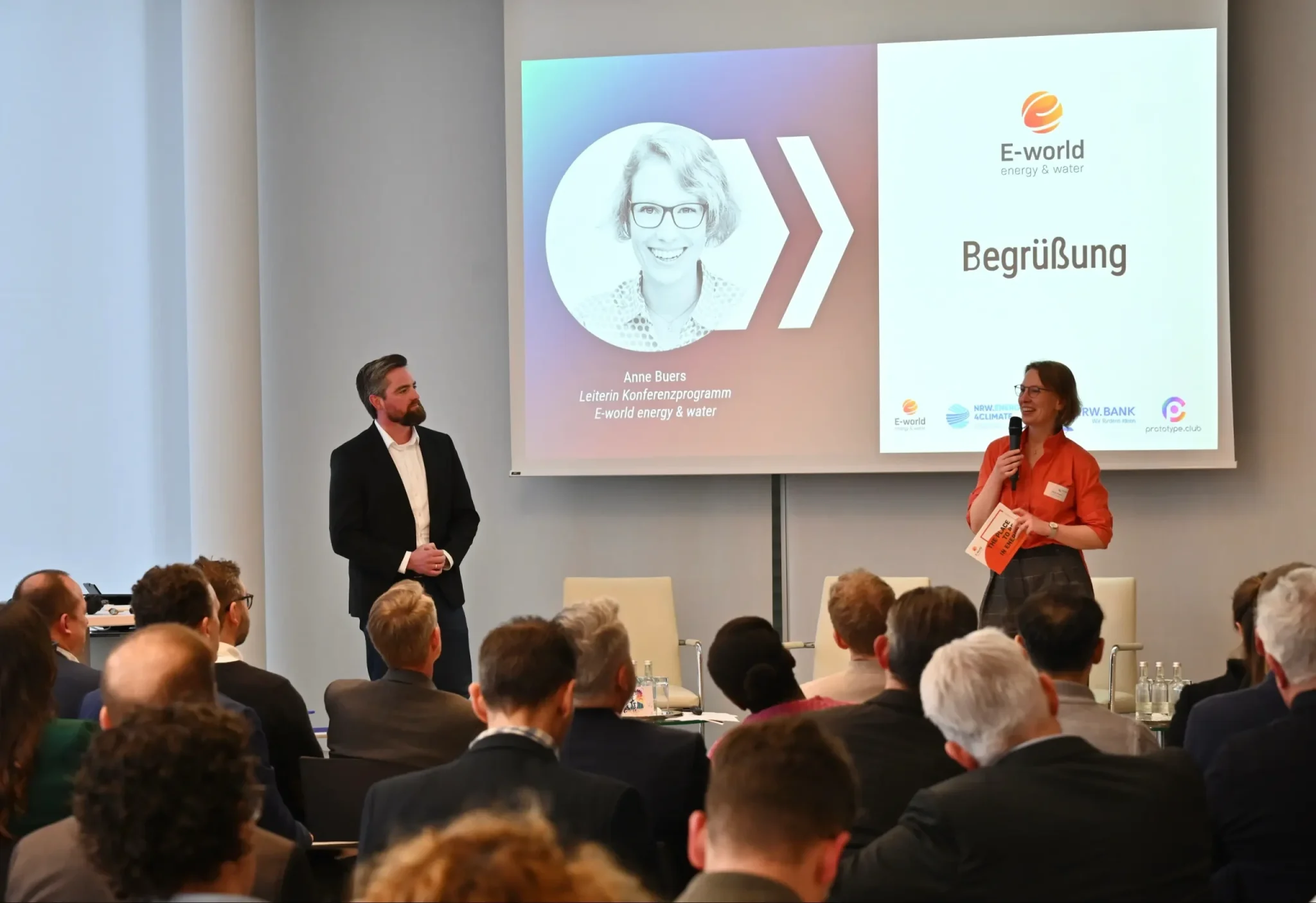
NRW Energy Innovation Day was more than an afternoon of panels in NRW.BANK — it was a practical look at how innovation can work in a highly regulated, security-critical environment. Here’s what happened.
The day had three central moments: first, the hands-on demos from the Amprion SPARX challenge; second, the deep dive into panels for pressing questions with expert partners after the opening by NRW.Energy4Climate, NRW.BANK, E-world energy & water and prototype.club; and third, the question of what it takes to scale responsibly — with a number of impulses from capturing real operational needs to scaling impact through data-driven operations, funding pathways and the foundation of digital sovereignty with secure European approaches.
The theme throughout: open innovation in critical infrastructure isn’t a nice-to-have — it’s a disciplined process that has to and can deliver under real-world constraints when everyone contributes their expertise without having to re-invent the wheel.
The Amprion Challenge outcomes: SPARX of innovation
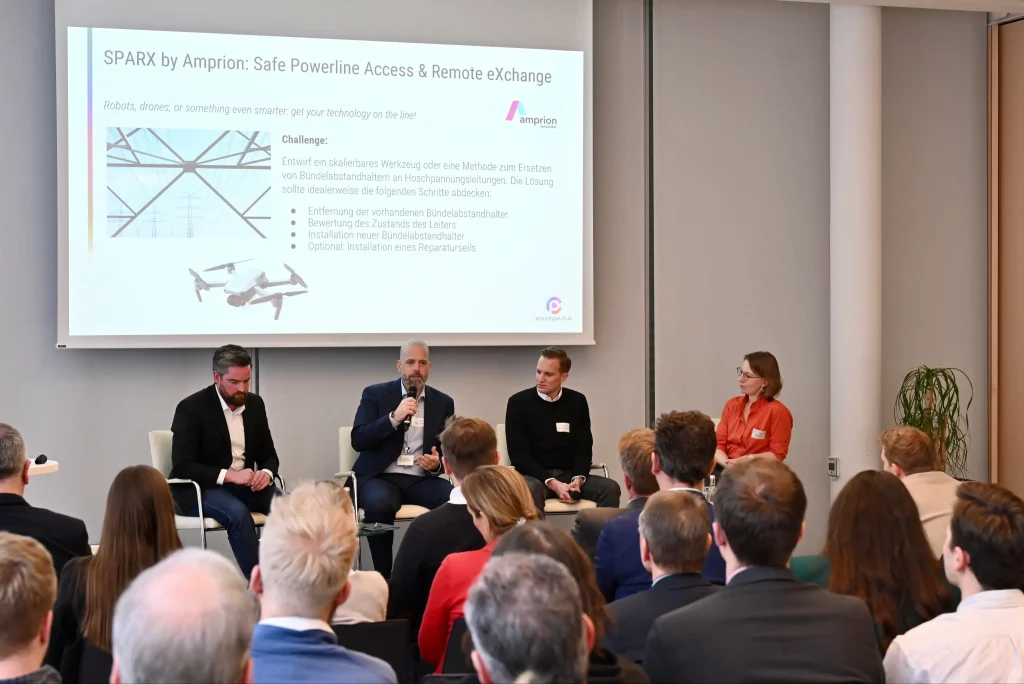
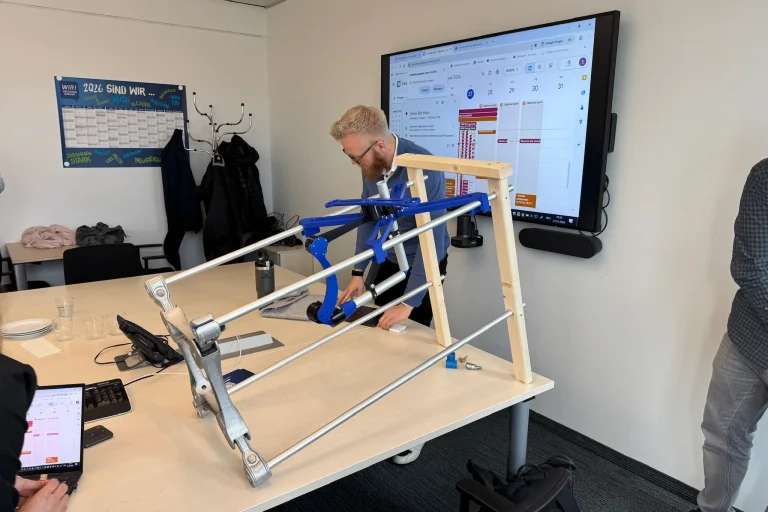
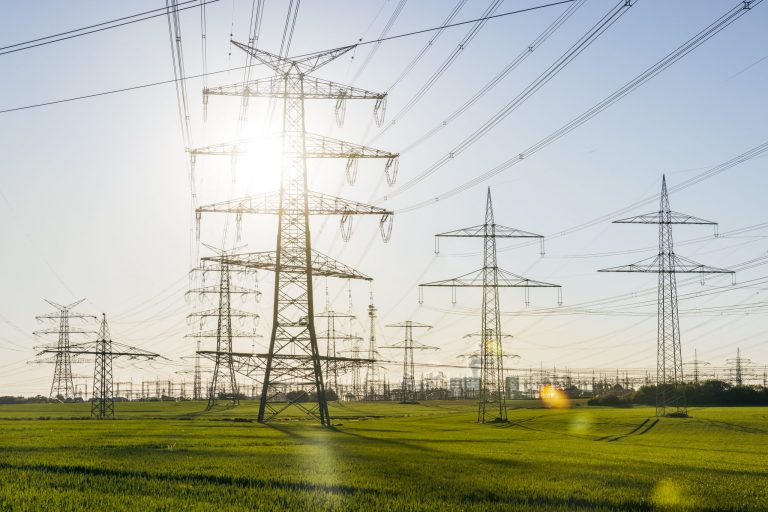
SPARX (Safe Powerline Access & Remote eXchange) is built around a very concrete operational need of transmission system operators like Amprion: enabling a more efficient, automated replacement of bundle spacers on high-voltage lines. In other words, it tackles a task that sits right at the intersection of safety, reliability and scalability in grid operations — and therefore in a domain where innovation has to prove itself under real-world constraints.
What stood out during the demo session was the tangible progress already achieved. Some teams, in collaboration with Bosch, even brought 3D-printed parts to make their approaches physically demonstrable. Across the teams presenting on-site and online, the range of ideas and solution strategies was impressively diverse — showing how different paths can emerge when a clearly defined need meets focused engineering creativity.
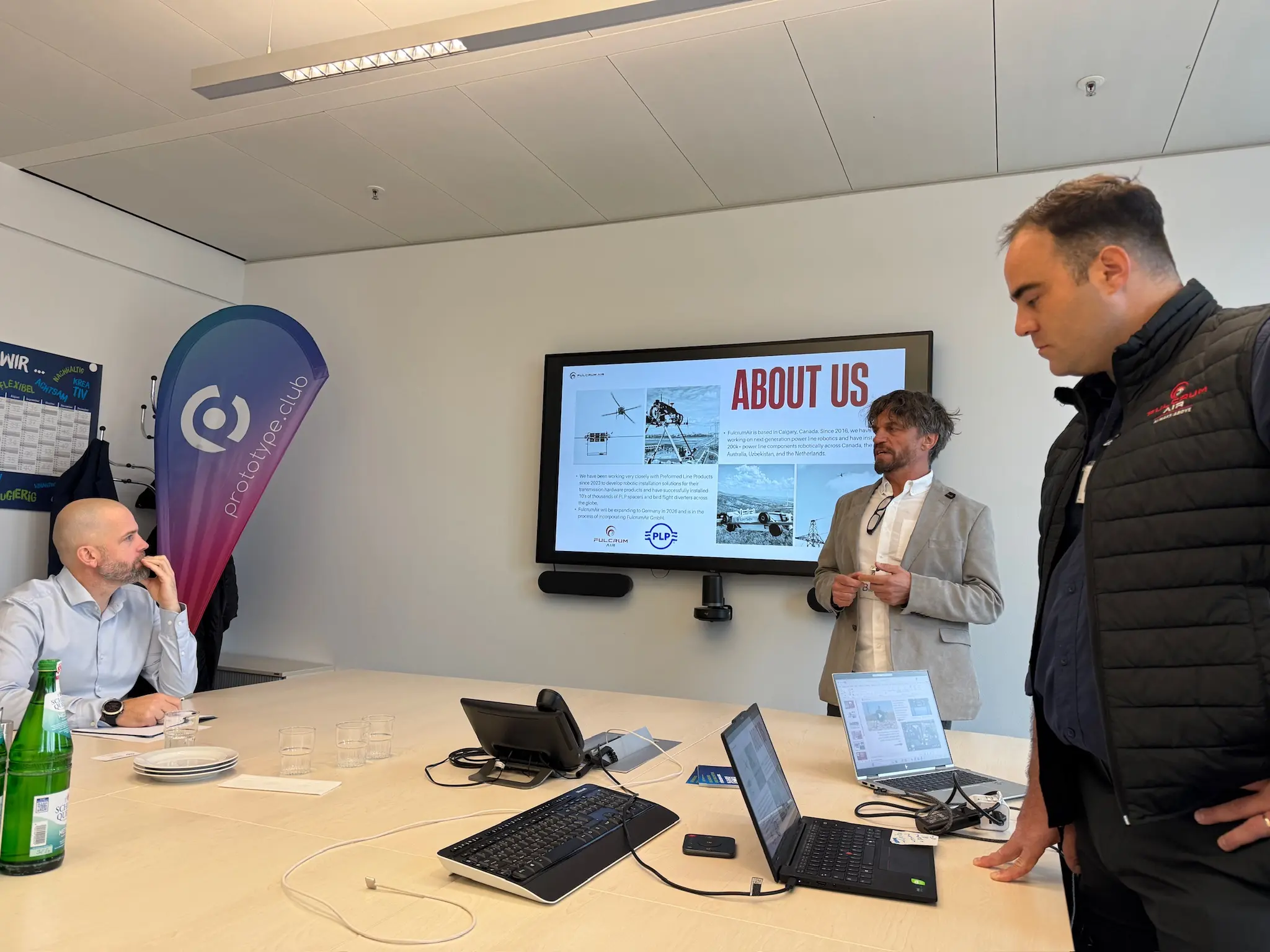
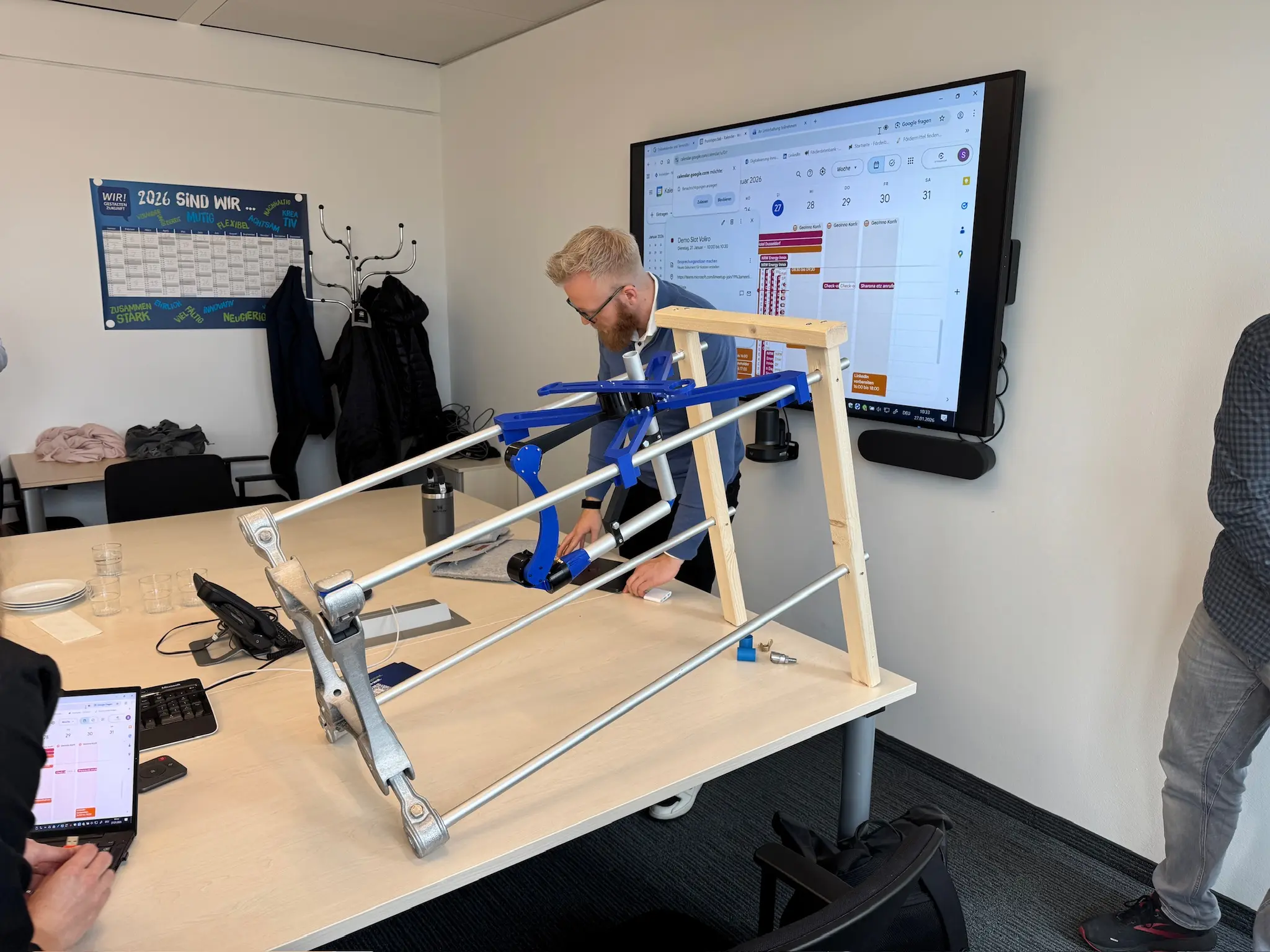
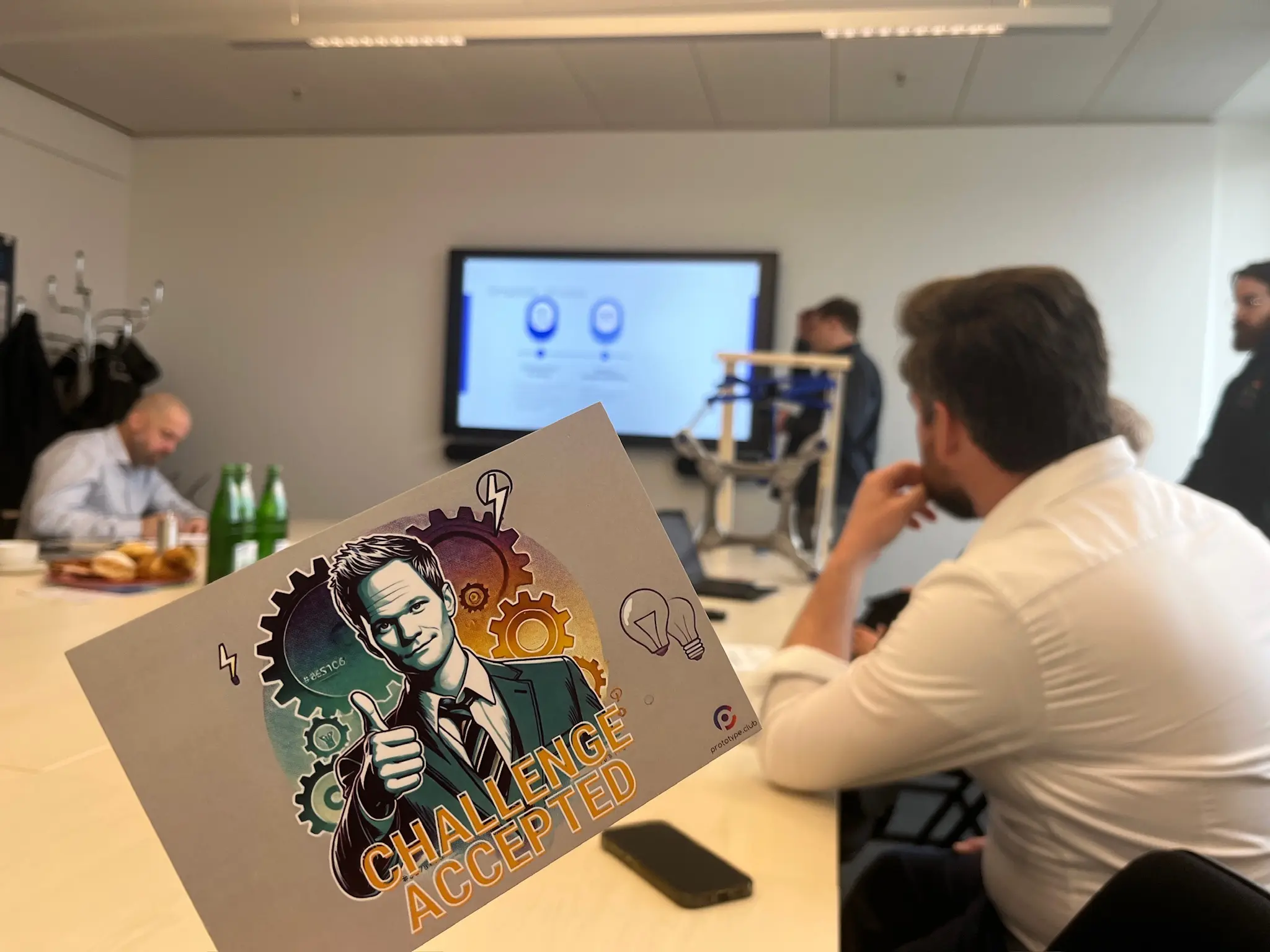
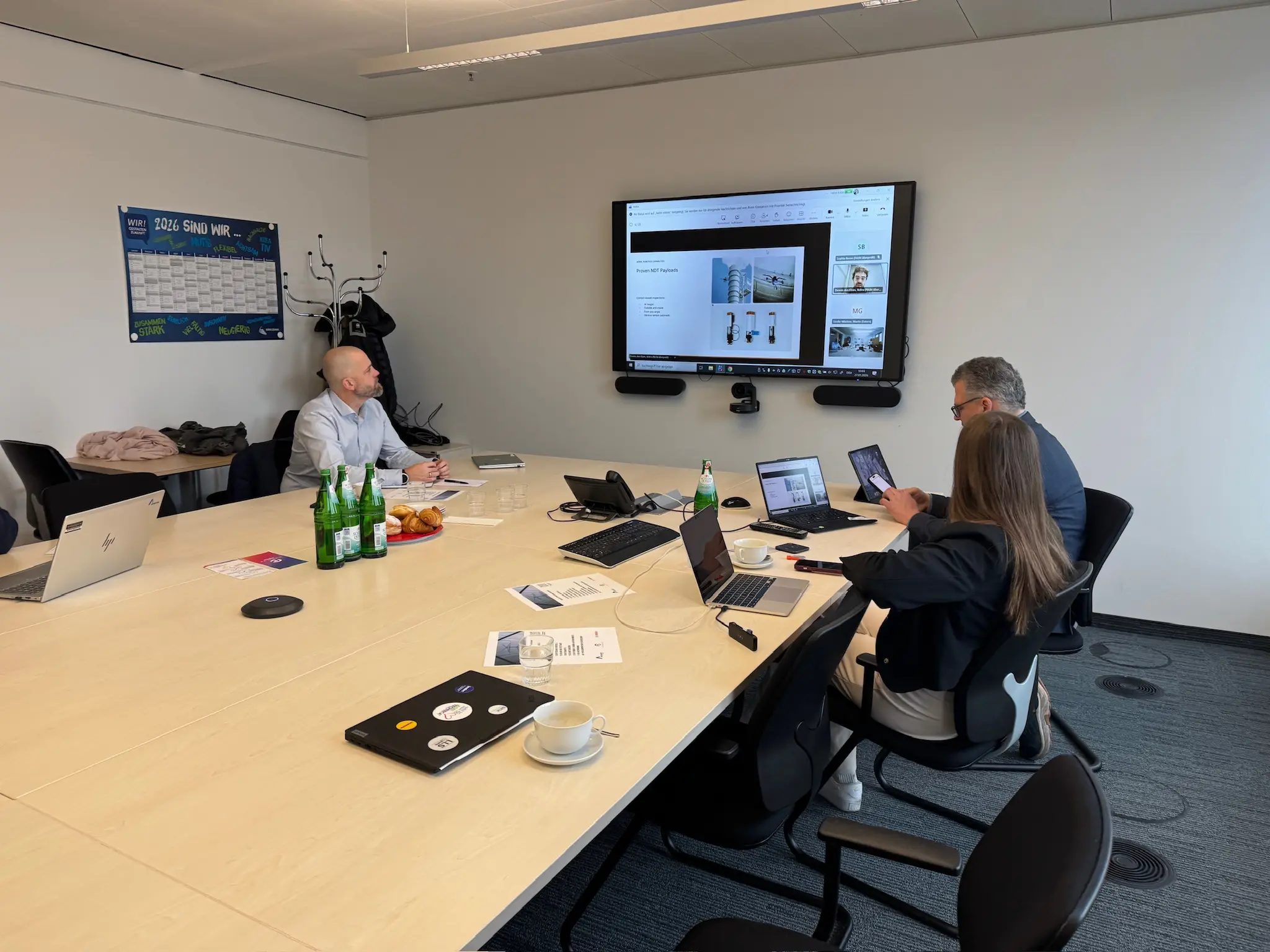
Because the finals will take place at E-world energy & water 2026, the jury did not disclose any ranking or “best team” at this stage. Still, the reaction in the room was telling: the level of preparation and the quality of the work clearly made an impact — and created real momentum for what comes next at the finalist pitches.
Two impactful panels: high-hurdle innovation and secure foundations
The program moved straight into the core questions for the energy sector: How do we innovate in “high-hurdle” operational environments — and what secure foundations are needed to scale those innovations responsibly?
Panel 1: Robotics & Networks — high-hurdle innovation in grid operations
The Robotics & Networks panel centered on the Amprion Challenge and the broader question of how robotics can be brought into grid-related contexts where safety, complexity and integration requirements are especially demanding. With perspectives including Amprion and Bosch (3D metal laser printing), the discussion highlighted the reality of innovation in critical infrastructure: progress depends on clearly defined operational needs, strong validation logic, and partner setups that move solutions from prototypes toward safe deployable pathways.
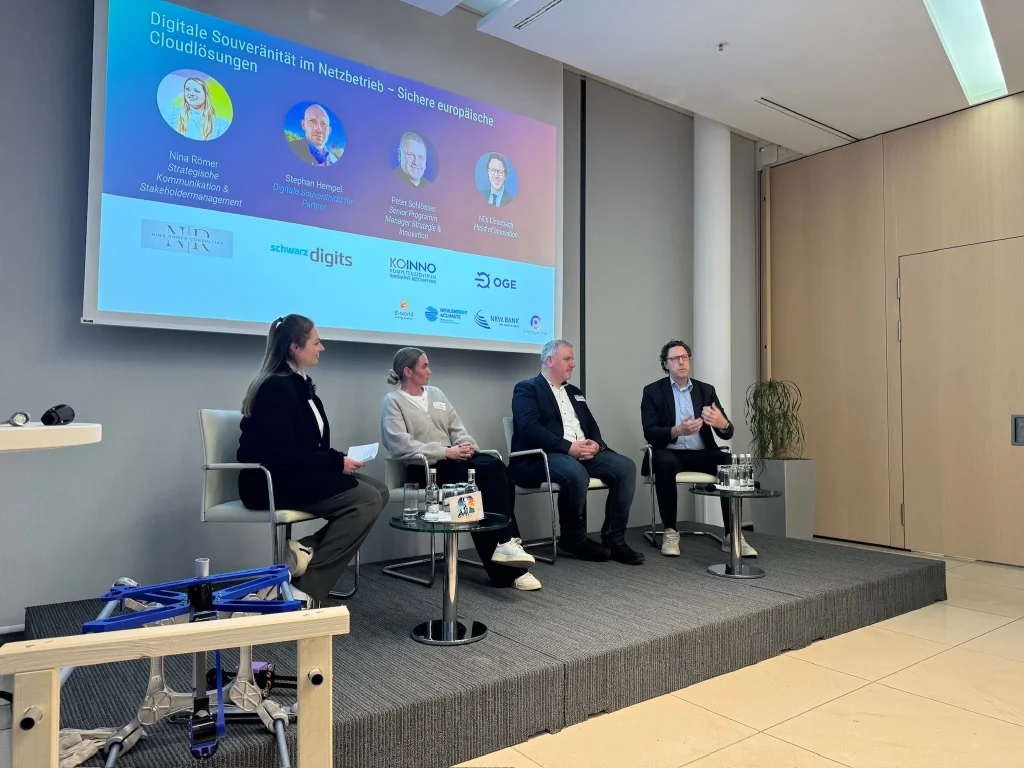
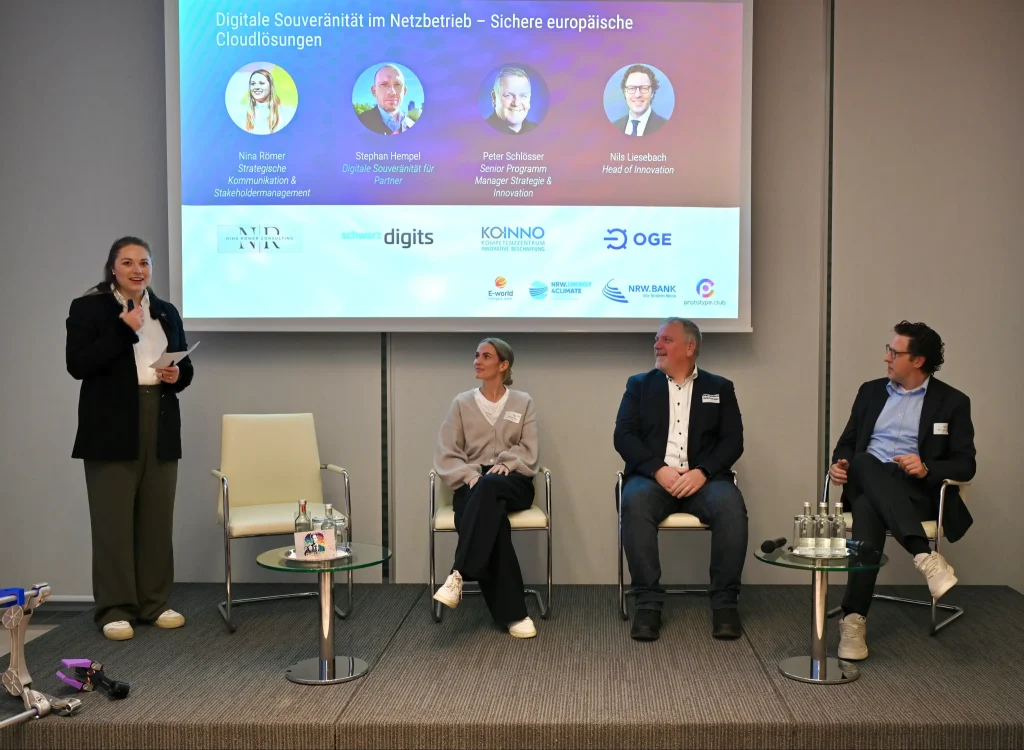
Panel 2 : Digital Sovereignty in Network Operations — secure European cloud solutions
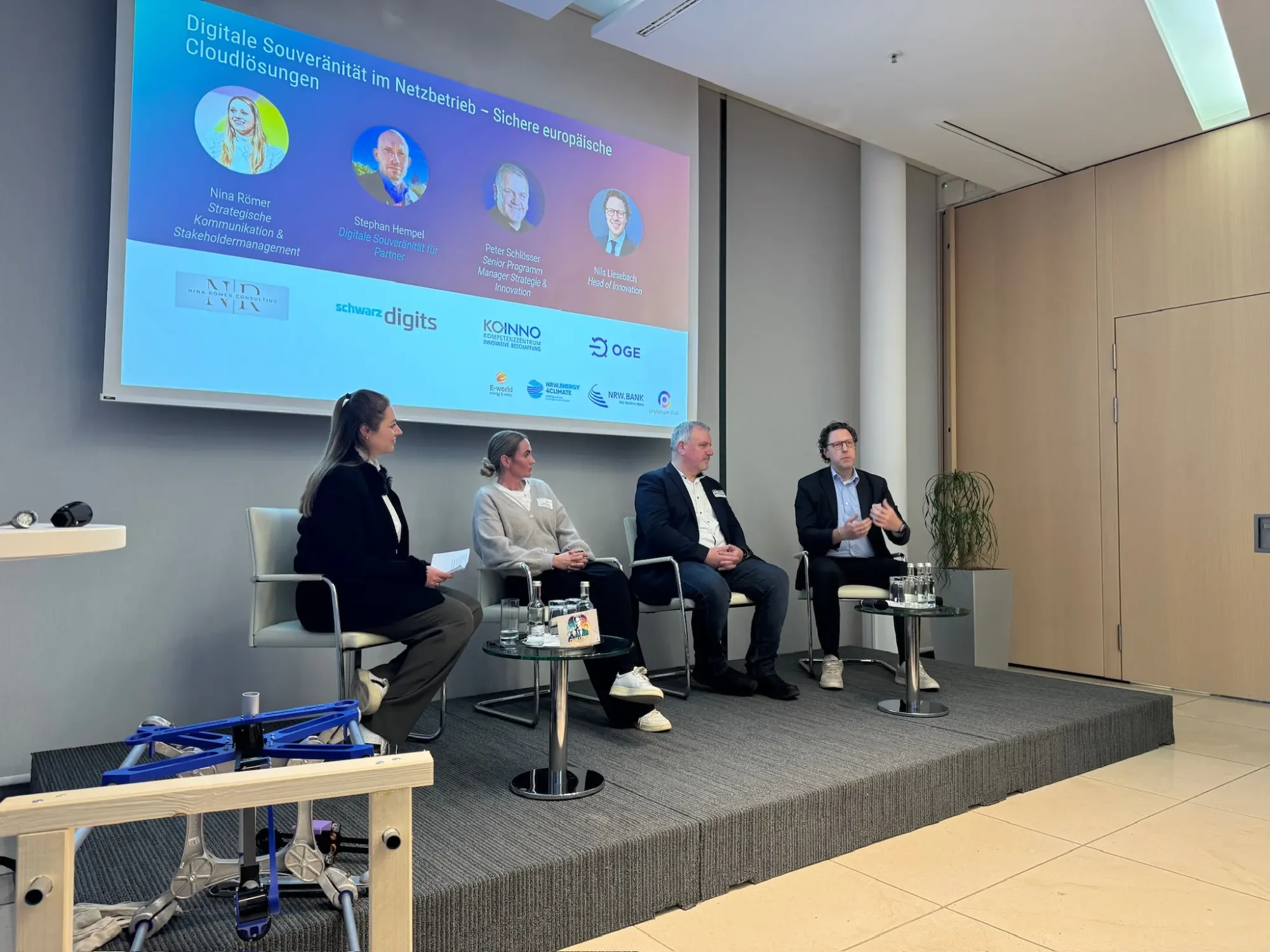
The second panel focused on secure European cloud approaches as a practical enabler for innovation and operations in critical infrastructure. With contributions from KOINNO, Schwarz Digits, Nina Römer and OGE, the discussion framed digital sovereignty as an operational topic: security, compliance, resilience and data governance requirements have to translate into implementable architectures and collaboration models — not just principles.
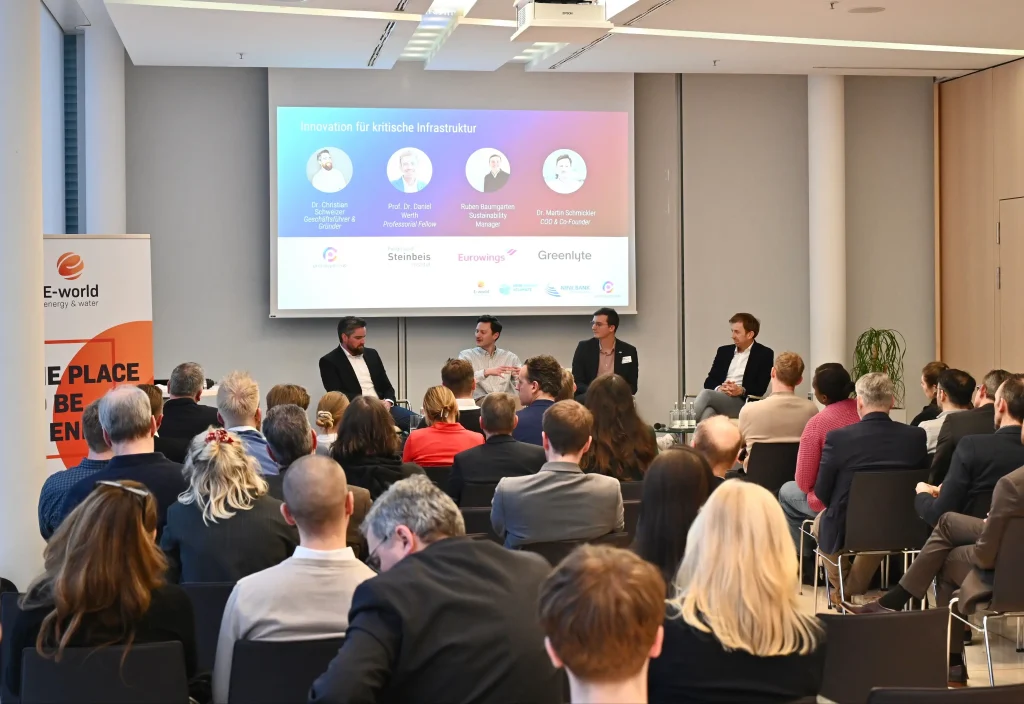
Panel 3: Innovation for Critical Infrastructure — scaling under real constraints
A third panel broadened the perspective from grids and cloud foundations to critical infrastructure more broadly. With contributions from Eurowings’ Sustainability Manager, Prof. Daniel Werth (Ferdinand-Steinbeis-Institut), and Greenlyte’s co-founder, the discussion explored what it takes to innovate in environments defined by regulation, safety requirements, and operational responsibility. The key thread was pragmatic: Where innovation is key to sustain these critical functions, innovation needs robust risk management, and partnerships that make scale-up realistic while staying compliant and secure.
More impulses: alliances, challenges, knowledge and scaling
Beyond the main panels, several impulses connected the dots between innovation formats and what it takes to scale them in the energy sector.
TSO Innovation Alliance & Amprion
A dedicated segment highlighted the role of the TSO Innovation Alliance and Amprion in translating operational needs into structured innovation challenges. This also included a brief introduction to SONAR.AI — an ongoing Amprion challenge aimed at identifying digital trends through AI alogrithms continuously. The underlying idea was clear: consistent demand signals and repeatable challenge formats create a practical pipeline from problem definition to solution discovery.
OmegaLambdaTec: from data to impact
In this impulse OmegaLambdaTec focused on how intelligent algorithms can make network operations more scalable and future-proof. The emphasis was on moving beyond experimentation toward operationally relevant outcomes — turning data-driven approaches into impact that can be integrated into day-to-day realities.
Tokenize.it: scaling readiness and new funding options
Tokenize.it added the scale-up dimension: strong solutions only create value when they can grow beyond a pilot. The impulse introduced innovative, fully digital funding options as one possible lever to increase flexibility and improve scale-up readiness for energy-sector innovation — complementing the technical and organisational work with a financing perspective.
Blockbrain: knowledge & agentic AI as a competitive lever
Blockbrain’s impulse framed knowledge as a strategic asset — and agentic AI as a way to make that knowledge actionable. In a sector shaped by complexity, regulation and scarce expertise, the ability to capture, structure and operationalise organisational knowledge can become a decisive advantage — especially when the goal is to move faster without compromising safety or compliance.
The day deliberately left room for conversation. Networking on-site and an informal after-work offsite meetups created space to deepen discussions, connect the right stakeholders, and turn the day’s topics into concrete next steps.
A diverse array of contributors







Looking Back — and Forward
Open innovation is clearly a necessity in high-tech critical infrastructure — but the real question is how to make it compatible with the highest safety and security requirements. KRITIS operators arguably face the strongest need for innovation, because the system has to keep performing optimally under growing future complexity.
At the same time, the very standards that protect reliability can become innovation killers: everything needs to be validated and approved again and again. The main takeaway from the day was that this trade-off isn’t solved by “moving faster,” but by designing the right context setup — with clear demand signals, rigorous validation, and strong partners from industry and academia — so innovation becomes both safe and scalable.
LinkedIn Posts

You might also be interested in
SPARX: What Open Innovation was actually made for
Explore the SPARX story: how highly specialized robotics can move from concrete need to real solution in a short time.
SPARX of Innovation: Powering the Energy Transition
SPARX of Innovation: Powering the Energy Transition
This was E-world.prototype.club 2025
Great partnerships, inspiring talks, and innovation in action with speed dating, APCOA demos, and a panel!