

How proband15 Continued Working with Daimler Truck After IAA Transportation 2024
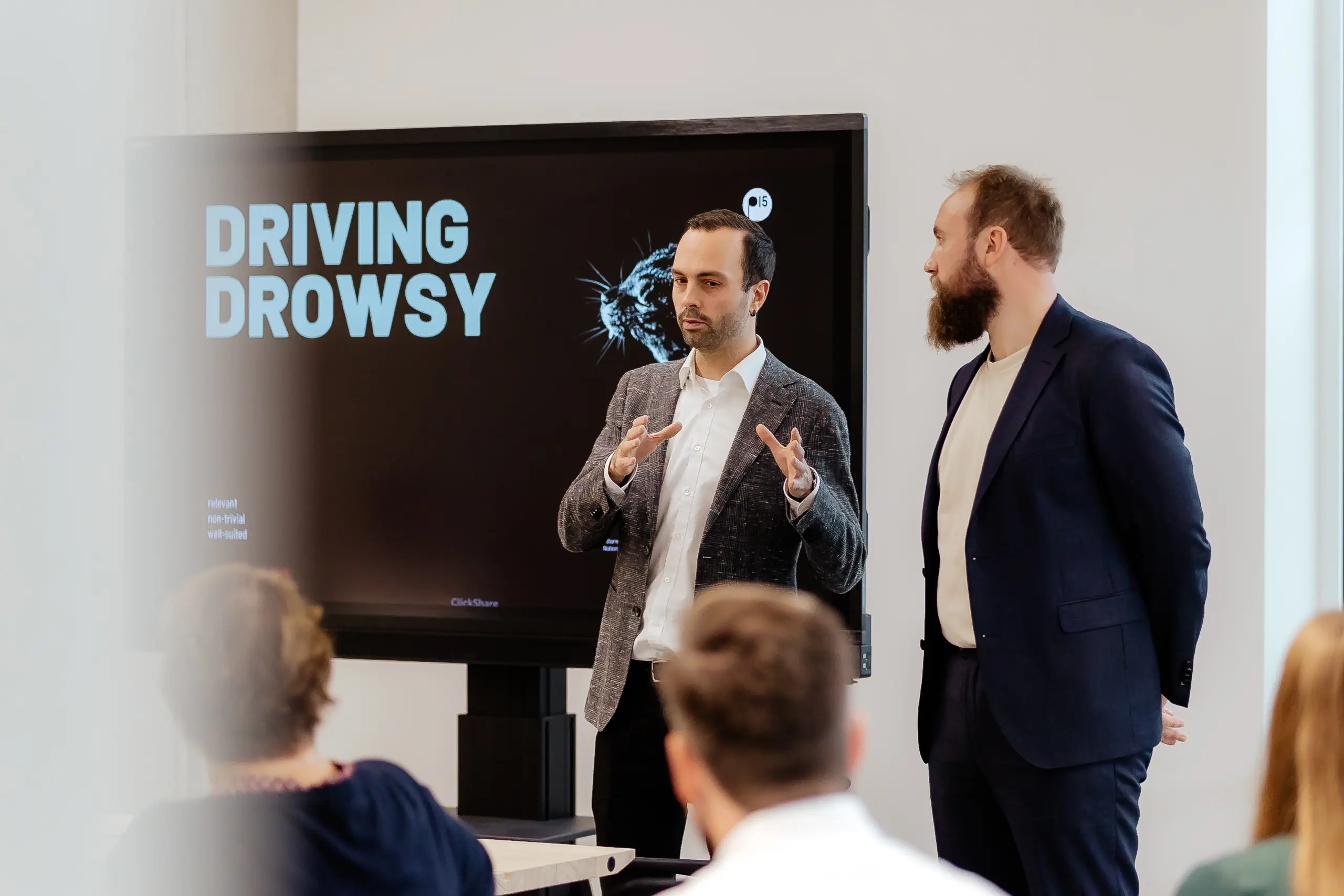
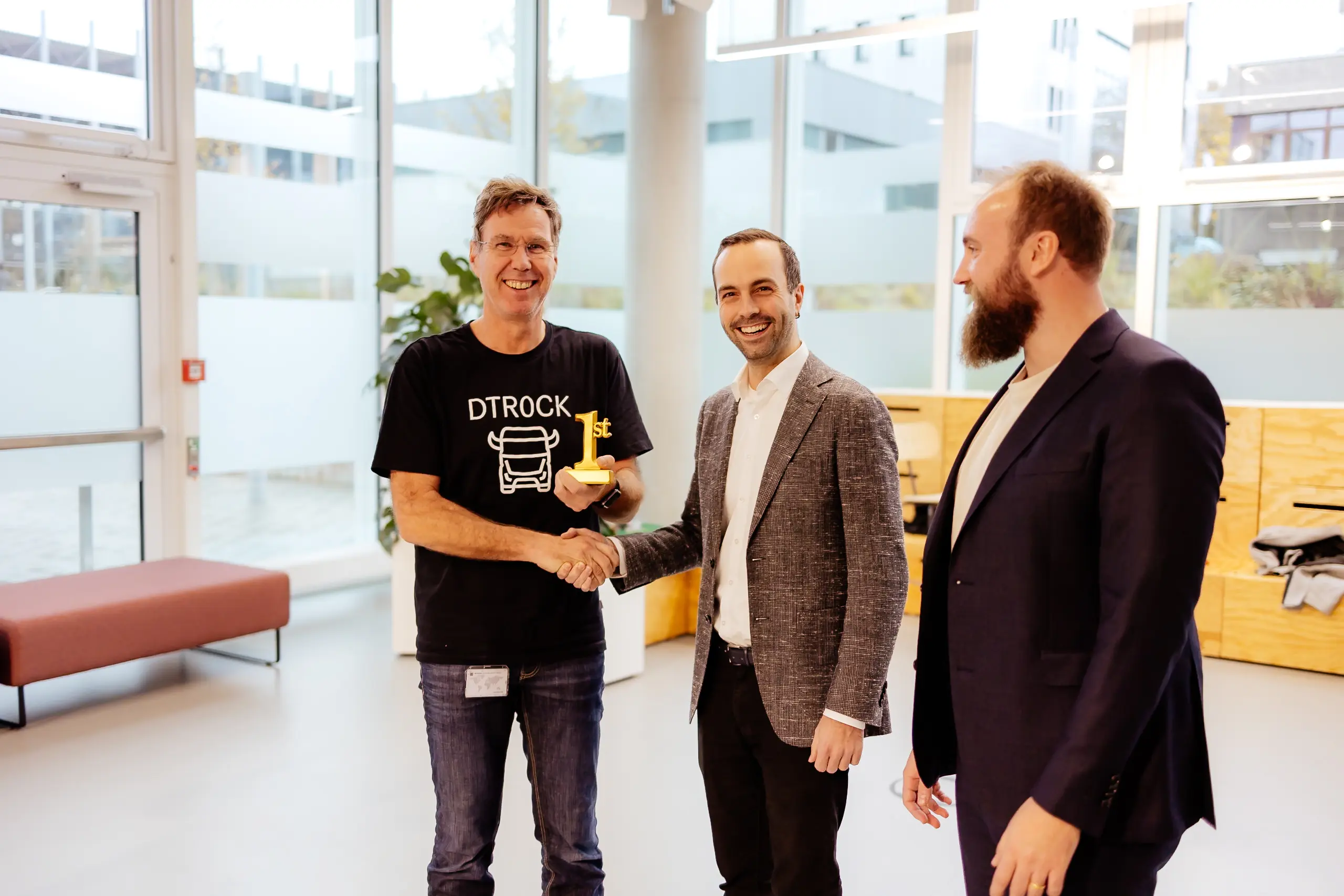
At IAA Transportation 2024 in Hannover, prototype.club and Daimler Truck launched the Driver’s Vital & Mood Detection challenge. The goal was clear: find new ways to improve road safety by monitoring a driver’s medical condition and mood in real time, using a combination of health wearables and driver-facing camera systems. Around a dozen startups joined the process, and within roughly two weeks of development time, the most promising teams were selected to present their prototypes to an expert jury in the final in October. Two teams stood out strongly enough to move beyond the competition itself: Nuverse and proband15.
One of those teams was proband15

What makes their story interesting is not just that they won. It is what happened next.
For many companies, startup challenges still feel like something between innovation theatre and early scouting. Interesting ideas, good presentations, maybe a pilot if things go well. But the proband15 story shows what can happen when the process is structured correctly and a corporate partner is genuinely open to moving quickly.
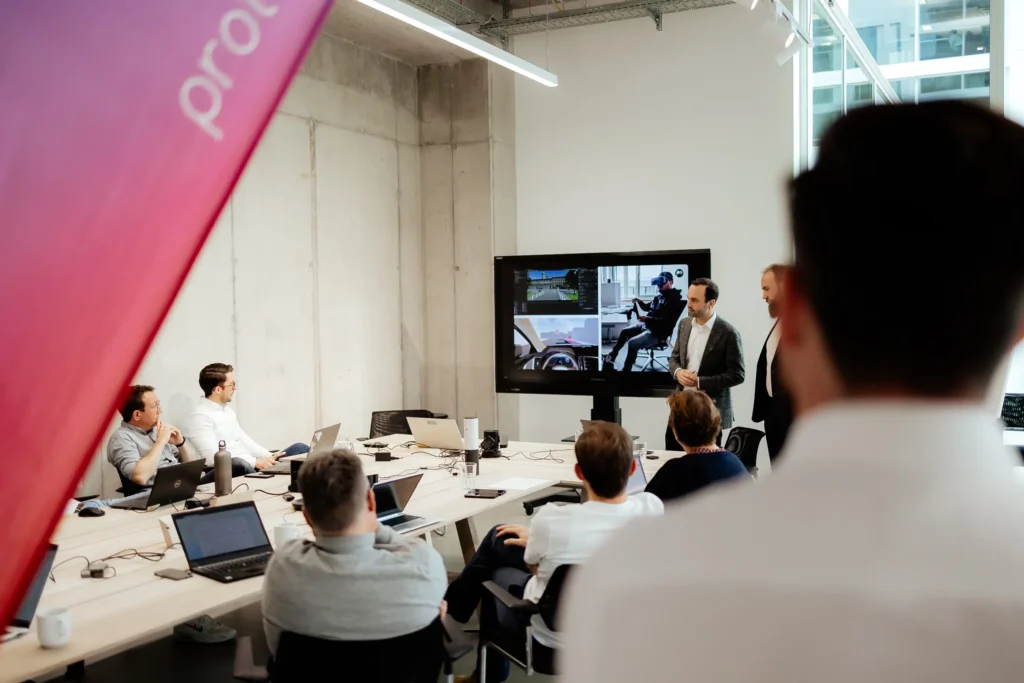
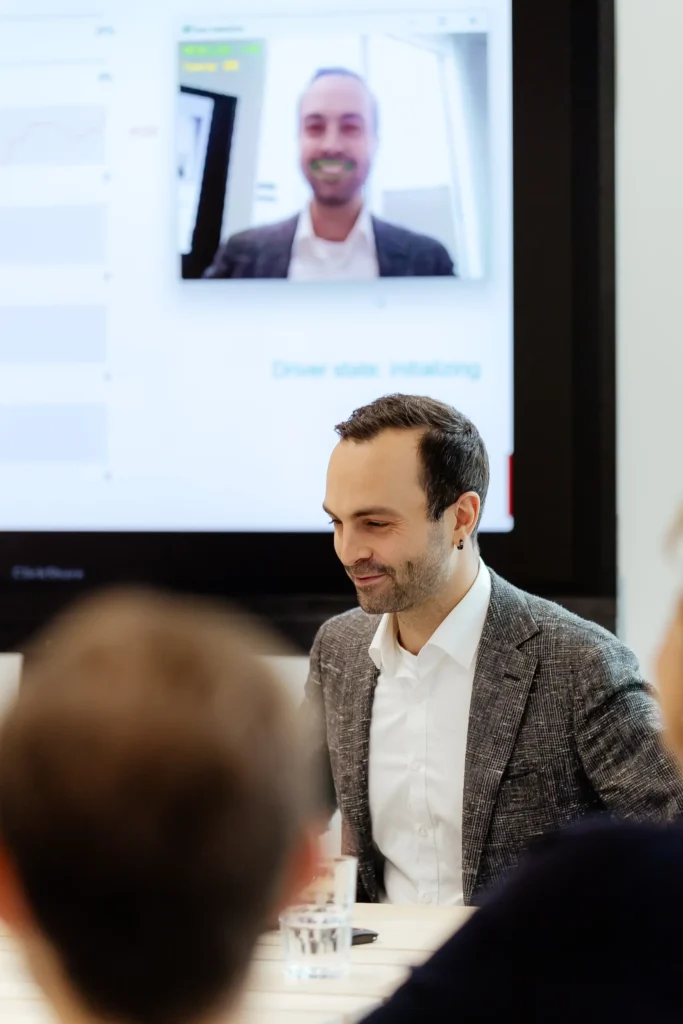
After the final, proband15 did not just walk away with recognition. According to the team, the collaboration moved into a 100-day proof of concept, followed by an additional assignment that extended the work further. The team describes the project as a real development effort focused on a vital data monitoring system for truck drivers, not just a conceptual exercise. They also said the results were strong enough to give Daimler Truck a meaningful basis for deciding whether to continue the topic internally.
That is exactly the kind of outcome prototype.club aims to create.
The value of a challenge does not lie in the final presentation alone. It lies in whether a company can move from a clearly framed problem to a real decision basis — fast. In this case, the process appears to have done just that. proband15 said they were positively surprised by how quickly everything moved after the challenge, including the initial organizational steps and the follow-up engagement. Compared with the long and often slow timelines startups usually associate with large corporations, that speed mattered.
What is especially compelling about the story is the scale of the team. During the follow-up conversation, proband15 spoke openly about being a very small setup. That makes the collaboration all the more notable. A compact startup team was able to move from challenge participation into serious development work with one of the world’s leading commercial vehicle manufacturers. For large companies wondering whether small external teams can be relevant partners, this is a useful reminder: the deciding factor is often not size, but focus, technical clarity, and the right process around the collaboration.

The team also described the outcome in a realistic and mature way.
They did not claim that the project instantly became a large-scale rollout. Instead, they explained that the work had progressed to the point where Daimler Truck could make a strategic internal decision about whether and how to continue. They also noted that the topic had moved beyond the innovation unit toward a more advanced internal context. That may sound like a small detail, but it is actually a strong signal. It suggests that the work was taken seriously enough to be considered beyond the original challenge environment.
This matters because it reflects what many corporates are really looking for. Not every challenge winner needs to become a direct production supplier. But if a startup can help a company test feasibility, reduce uncertainty, and provide a concrete basis for further decisions, that already creates real value.
Just as important: proband15 described the collaboration itself as positive. They said the cooperation worked well, the process was smooth, and the follow-up steps happened faster than they would typically expect in corporate settings. That may sound simple, but anyone who has worked in open innovation knows how rare and important that combination is: fast onboarding, a clear task, constructive collaboration, and a result that helps the corporate partner move forward.
For us at prototype.club, this is one of the core reasons we believe in challenge-driven collaboration.
A good challenge is not a beauty contest for ideas. It is a structured entry point into real cooperation. When the problem is relevant, the setup is focused, and the right people are involved early, startups can become working partners far faster than many organizations expect.
The proband15 story is also a good example of something else that often gets overlooked: progress does not always show up publicly right away. Large organizations naturally move at a different speed once a project leaves the innovation context and enters broader internal structures. That does not make the collaboration any less meaningful. In fact, it often means the work has crossed an important threshold.

And that, in many ways, is what made this challenge successful.
It created a setting in which a startup could demonstrate capability under real pressure, a corporate partner could evaluate more than just slides, and both sides could move into actual implementation work within a short time. That is what prototype.club is built to enable: not just connections, but collaboration with momentum.
What others can take from this
For corporates, the takeaway is simple: if you define the problem well and create a structured path after the challenge, small teams can deliver meaningful development work very quickly.
For startups, the lesson is just as important: a well-run challenge can be much more than visibility. It can be the beginning of a serious customer relationship.
And for us, proband15 is exactly the kind of story worth telling — because it shows what happens when open innovation is designed not as a campaign, but as a process.

You might also be interested in
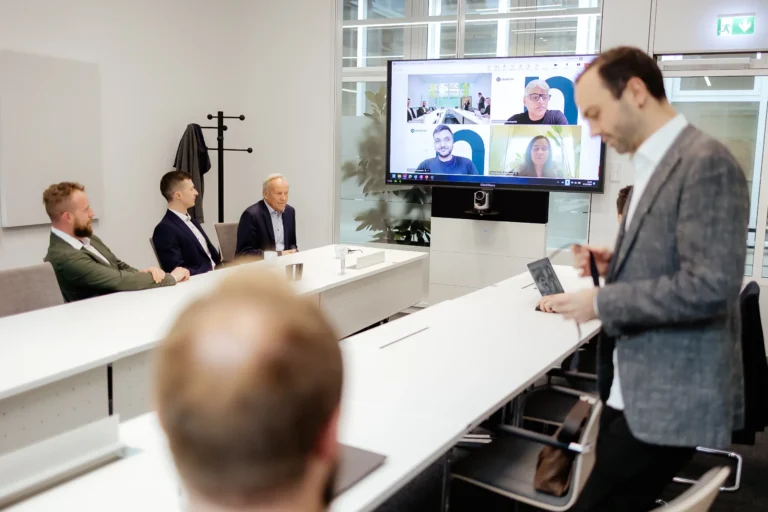
From Smartphone Concept to In-Vehicle Device: Nuverse x Daimler Truck
Explore the SPARX story: how highly specialized robotics can move from concrete need to real solution in a short time.
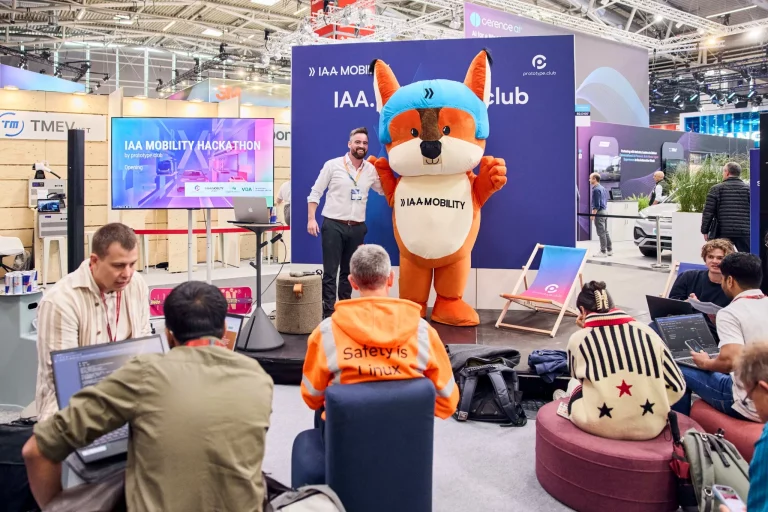
This was IAA.prototype.club 2025
IAA.prototype.club at IAA MOBILITY 2025: Startup Factory Masterclass, Truck Parking Forecast, international startup reception, Productivity Booster, and the IAA MOBILITY Hackathon – a week full of collaboration, strong ideas, and new connections.
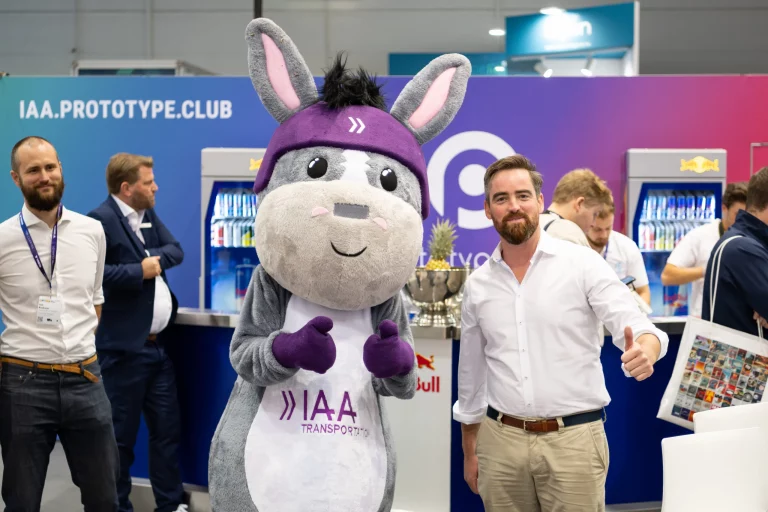
This was IAA.prototype.club 2024
Discover the highlights of this year’s IAA TRANSPORTATION 2024 in Hanover and learn about cutting-edge innovations that will revolutionize the future of transportation. The APCOA challenge, startup workshops and networking – it was a blast!